
 By
By Root canal treatment is done to clean infection from inside a tooth and help save the natural tooth. In many cases, mild pain or soreness after treatment is normal. The tooth may feel tender for a few days, especially when biting or chewing.
But pain that keeps getting worse, swelling, pus, a bad taste, fever, or a gum pimple near the treated tooth may be a sign that infection is still present or has returned.
This guide explains the common signs of infection after root canal treatment, why it can happen, when it becomes urgent, and what patients in Dubai should do next.
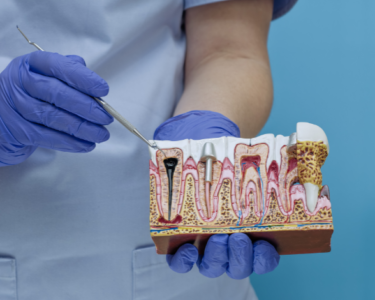
Root canal treatment removes infected or inflamed pulp, cleans and shapes the canals, and seals the space inside the tooth. The American Association of Endodontists explains that patients usually need root canal treatment when there is inflammation or infection inside the roots of a tooth.
This article is for education only. It does not replace a dental examination. If you have facial swelling, fever, trouble swallowing, trouble breathing, or swelling spreading toward the eye, jaw, or neck, seek urgent dental or medical care.
Quick Answer: What Are the Signs of Infection After Root Canal?
The most common signs of infection after root canal treatment include worsening pain, swelling around the gum or face, pus, a pimple-like bump on the gum, bad taste, fever, pain when biting, and symptoms that return after the tooth seemed to heal.
Mild soreness for a few days can be normal. The warning sign is when pain gets stronger instead of improving.
If you are also comparing treatment costs, you can read our guide on root canal cost in Dubai.
Is Infection After Root Canal Treatment Possible?
Yes, infection after root canal treatment is possible. It does not happen to every patient, but it can happen if bacteria remain inside the tooth, if the canals are complex, if a canal was missed, if the tooth cracks, or if bacteria enter again through a leaking filling or crown.
A root canal is often done because the tooth is already infected or badly inflamed. So some tenderness after treatment can be expected. The tooth, gum, and bone around the root need time to heal.
The important question is whether your symptoms are improving or getting worse.
If the tooth feels better day by day, healing is usually moving in the right direction. If pain, swelling, or pus appear after treatment, the tooth should be checked.
Dubai Health Authority dental guidelines include clinical guidance for endodontics, infection control, and dental safety. DHA also states that its dental policies and guidelines provide a framework for safe, high-quality, and ethical dental care for licensed facilities and professionals in Dubai.
Common Signs of Infection After Root Canal Treatment
Pain That Gets Worse Instead of Better
Some discomfort after root canal treatment can be normal. The tooth may feel sore for a few days, especially if there was an infection before the procedure.
Pain may be a warning sign if it becomes worse after the first few days, feels throbbing, keeps you awake, or does not improve with time.
You should also be careful if pain returns weeks or months after the root canal. This may mean the tooth needs further examination.
For related symptoms, read: why teeth hurt more at night.
Swelling Around the Gum, Jaw, or Face
Swelling is one of the most important warning signs.
Small gum irritation can happen after dental work. But visible swelling around the gum, cheek, jaw, or face may mean infection is still active.
Swelling can become serious if it spreads toward the neck, eye, or under the jaw. Mayo Clinic lists swelling in the face, cheek, or neck, fever, foul odor, and difficulty breathing or swallowing as possible symptoms linked with tooth abscess complications.
If swelling is your main symptom, also read: facial swelling after a root canal.
Gum Pimple, Gum Boil, or Pus Near the Tooth
A small pimple-like bump on the gum near a root canal tooth can be a sign that infection is draining through the gum. Some patients call this a gum boil.
It may come and go. It may release pus. It may leave a bad taste in the mouth.
Do not try to burst or drain it at home. Even if it drains and feels better for a short time, the infection source may still be present around the tooth root.
Bad Taste or Bad Smell from the Tooth Area
A bad taste after dental treatment may sometimes come from temporary material, medication, or food trapped around the tooth.
But a strong bad taste with pus, swelling, or pain may point toward infection.
If the bad taste keeps returning from the same area, the tooth should be checked by a dentist.
Fever or Feeling Unwell
Fever is not a normal root canal recovery symptom.
If you feel feverish, tired, weak, or unwell after root canal treatment, especially with swelling or tooth pain, this may suggest that infection is spreading.
Mayo Clinic advises contacting a dentist or doctor for toothache with fever, swelling, pain when biting, red gums, or foul-tasting discharge. If there is trouble breathing or swallowing, emergency care is needed.
Pain When Biting Down
Biting pain after root canal treatment can happen for a few days. The ligament around the tooth root may still be inflamed.
But sharp pain when biting, pain that does not improve, or a feeling that the tooth is too high can mean the bite needs adjustment or the root area is still irritated.
Sometimes the filling or crown is slightly high. Sometimes there may be a crack, missed canal, or remaining infection.
You may also find this useful: do I need a root canal or filling?
Symptoms That Return After Months
A root canal-treated tooth can feel normal for months and then become painful again.
This can happen if bacteria re-enter the tooth, if a crown or filling leaks, if the tooth cracks, or if the first treatment did not fully clean all canal areas.
Returning pain should not be ignored, especially if it comes with swelling, a gum boil, or pain while chewing.
What Is Normal After Root Canal Treatment?
Normal healing may include mild soreness, slight biting tenderness, and gum sensitivity near the treated tooth.
This should usually improve over a few days.
The tooth may feel tender because the area around the root was inflamed before treatment. The longer the infection was present before treatment, the longer the area may take to calm down.
Normal symptoms should move in the right direction. Each day should feel slightly better.
If you want to understand recovery better, read: root canal recovery time.
What Is Not Normal After Root Canal Treatment?
You should not ignore symptoms such as:
Increasing pain after the first few days.
Visible swelling in the gum, cheek, jaw, or face.
A gum pimple near the treated tooth.
Pus or foul-tasting discharge.
Fever or chills.
Pain that returns after the tooth felt better.
Severe pain when biting.
Difficulty opening the mouth.
Trouble swallowing or breathing.
These signs need dental attention. Some may need urgent care.
Why Can Infection Happen After a Root Canal?
Root canal treatment is a detailed procedure. The dentist has to clean very small spaces inside the tooth roots.
Infection may happen or return because of:
Complex root canal anatomy.
A missed canal.
A crack in the tooth.
Bacteria left inside the canal.
A leaking filling or crown.
Delay in placing the final crown or permanent restoration.
Heavy biting pressure on the treated tooth.
A deep infection that existed before treatment.
Poor oral hygiene after treatment.
Medical conditions that affect healing.
Back teeth, especially molars, can be more complex because they usually have more canals. In some cases, a general dentist may refer the patient to an endodontist, a dentist who focuses on root canal treatment.
If you are unsure who performs this treatment, read: what type of dentist performs root canals?.
Can Antibiotics Cure Infection After Root Canal?
Antibiotics may help when infection is spreading, when there is fever, or when swelling is present. But antibiotics alone usually do not remove the source of a dental infection.
The tooth may still need retreatment, drainage, bite correction, crown replacement, or extraction, depending on the cause.
Mayo Clinic explains that antibiotics may be prescribed when infection spreads to nearby teeth, the jaw, or other areas, but treatment may also include root canal treatment or extraction depending on the tooth condition.
Do not take leftover antibiotics without a dentist’s advice. The wrong antibiotic or incomplete use can delay proper care.
How Dentists Diagnose Infection After Root Canal
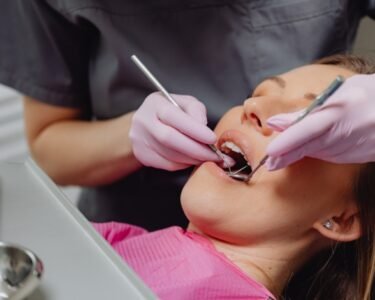
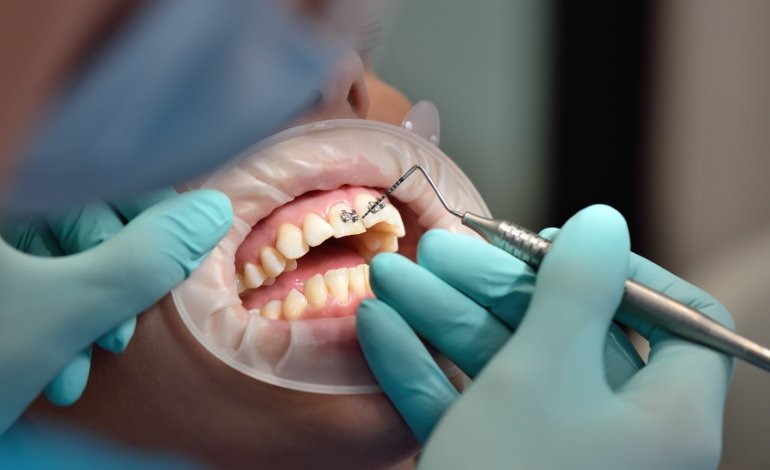
A dentist in Dubai may check:
Your symptoms and when they started.
Whether the tooth hurts when tapped.
Whether the tooth hurts when biting.
The gum around the tooth.
Any gum boil, pus, or swelling.
The filling or crown seal.
The bite level.
Dental X-rays.
In complex cases, a CBCT scan may be recommended to check root shape, bone changes, missed canals, or cracks.
The goal is to find the cause, not just reduce pain.
Treatment Options for Infection After Root Canal
Bite Adjustment
If the filling or crown is too high, the tooth can become painful when biting. The dentist may adjust the bite so pressure is reduced.
This can help if the main issue is biting trauma, not active infection.
Medication
Pain relief or antibiotics may be prescribed in selected cases. Antibiotics are usually considered when there is spreading infection, swelling, fever, or risk factors.
Medication should support proper dental treatment, not replace it.
Root Canal Retreatment
If infection remains or returns inside the tooth, root canal retreatment may be needed.
The dentist removes the old root filling material, cleans the canals again, disinfects the space, and seals it again.
This is often needed when there is a missed canal, leaking restoration, or bacteria inside the tooth.
Apicoectomy
An apicoectomy is a small surgical treatment done near the root tip. It may be considered when infection remains around the root end and retreatment is not enough or not suitable.
Crown or Filling Replacement
If bacteria entered through a leaking crown or filling, the restoration may need to be replaced.
A root canal tooth often needs a strong final restoration. For back teeth, a crown may be recommended to reduce fracture risk.
Tooth Extraction
If the tooth is cracked, badly damaged, or cannot be saved, extraction may be recommended.
Replacement options may include a dental implant, bridge, or denture depending on the case. You can compare options here: dental bridge or dental implant.
When Is It an Emergency?
Seek urgent dental or medical care if you have:
Facial swelling.
Swelling spreading to the neck, eye, or under the jaw.
Fever.
Difficulty swallowing.
Trouble breathing.
Severe pain that does not settle.
Difficulty opening the mouth.
Pus with swelling and fever.
These symptoms may mean the infection is spreading. Do not wait for it to settle on its own.
For urgent cases, read: emergency root canal treatment.
Can You Treat Root Canal Infection at Home?
No. A real root canal infection cannot be cured at home.
Home care may reduce discomfort for a short time, but it cannot clean bacteria inside the tooth or treat infection around the root.
You may use warm salt-water rinses for gum comfort, eat soft foods, and avoid chewing on the painful side. Pain relief may help some people, but it should be used only if suitable for your health condition.
Avoid:
Trying to pop a gum boil.
Putting aspirin on the gum.
Using sharp tools near the tooth.
Taking leftover antibiotics.
Delaying care when swelling is present.
If pain is severe, read: how to stop a toothache at home for temporary steps while arranging dental care.
How to Reduce the Risk of Infection After Root Canal
You can lower risk by following your dentist’s instructions.
Keep the area clean.
Avoid chewing hard foods on the treated tooth until it is restored.
Return for the permanent filling or crown.
Do not ignore bite discomfort.
Attend follow-up appointments.
Brush and floss daily.
Visit the dentist regularly.
Tell your dentist if pain gets worse.
If you have diabetes, gum disease, or immune-related health concerns, tell your dentist before treatment because healing may need closer monitoring.
You may also read: how oral health affects your overall health.
Dubai Patient Checklist Before and After Root Canal
Before treatment, ask your dentist:
Is the tooth infected or inflamed?
Is the root canal simple or complex?
Do I need an endodontist?
Will X-rays be taken?
Will I need a crown after treatment?
What symptoms are normal after treatment?
What symptoms need urgent care?
After treatment, ask:
When should pain start improving?
When can I chew on this tooth?
Do I need a permanent crown?
When should I return for follow-up?
Who should I contact if swelling appears?
Patients in Dubai should choose licensed dental professionals. DHA provides healthcare licensing and regulatory information for facilities and professionals in Dubai, including dental policies and guidelines.
For dentist selection, read: how to choose the right dentist in Dubai.
Related Root Canal Guides
You may also find these guides helpful:
Root canal cost in Dubai
What happens during a root canal?
Root canal recovery time
Do I need a root canal or filling?
Emergency root canal treatment
Tooth abscess symptoms
How to choose the right dentist in Dubai.
Can an emergency dentist perform a root canal in Dubai
FAQs About Infection After Root Canal Treatment
How do I know if my root canal is infected?
Possible signs include worsening pain, swelling, pus, a gum pimple, bad taste, fever, or pain when biting. A dentist needs to examine the tooth and may take an X-ray to confirm the cause.
Is pain after root canal always infection?
No. Mild soreness after root canal treatment can be normal for a few days. Infection is more likely when pain gets worse, returns after healing, or appears with swelling, pus, fever, or bad taste.
Can a gum infection happen after root canal treatment?
Yes. A gum pimple, swelling, pus, or tenderness near the treated tooth may mean infection is draining through the gum. It should be checked by a dentist.
Can antibiotics fix infection after root canal?
Antibiotics may help control spreading infection, but they usually do not remove the source inside the tooth. Dental treatment is usually still needed.
What happens if I ignore infection after a root canal?
The infection may spread, damage the bone around the tooth, cause swelling, or lead to tooth loss. In some cases, facial swelling, fever, or trouble swallowing can become urgent.
Should I visit an emergency dentist after root canal swelling?
Yes. Swelling after root canal treatment should be checked quickly, especially if it is spreading or comes with fever, pain, difficulty swallowing, or breathing problems.
Can a root canal fail after years?
Yes. A root canal-treated tooth can develop infection later if bacteria enter through a leaking crown or filling, if the tooth cracks, or if part of the canal system was not fully treated.
Do I need root canal retreatment?
You may need retreatment if infection remains or returns. The dentist will decide after checking your symptoms, X-rays, bite, crown, filling, and tooth structure.
Is facial swelling after root canal dangerous?
It can be. Facial swelling may suggest spreading infection. It is more serious if it spreads toward the eye, neck, or under the jaw, or if it comes with fever or trouble swallowing.
Can the tooth be saved after root canal infection?
Often, yes. Many teeth can be saved with retreatment, restoration replacement, bite adjustment, or apical surgery. But if the tooth is cracked or badly damaged, extraction may be needed.
Final Advice
Mild soreness after root canal treatment can be normal. But worsening pain, swelling, pus, bad taste, fever, or symptoms that return after healing should not be ignored.
For patients in Dubai, the safest next step is to see a licensed dentist or endodontist for a proper examination. Early treatment can often save the tooth and prevent the infection from becoming more serious.