
 By
By How Long Does the Dental Implant Process Take in Dubai?
How long does the dental implant process take? In many cases, dental implant treatment may take a few months from the first consultation to the final crown. The exact timeline depends on your oral health, jawbone condition, whether a tooth extraction is needed, and whether bone grafting or other treatment is required.
Some patients have a straightforward implant process. Others need extra steps before the implant can be placed safely. In Dubai, the process usually begins with a dental consultation, X-rays or a CBCT scan, treatment planning, implant placement, healing, and then fitting the final crown, bridge, or denture.
Dental implants should not be rushed without proper assessment. The dentist needs to check that the gums and jawbone can support the implant and that any infection or active dental problem is managed first.
Medical note: This article is for general dental education in Dubai and the UAE. It does not replace a dental examination, dental imaging, or a personalised treatment plan from a qualified dentist.
Dental Implant Process Timeline at a Glance
The dental implant process is usually completed in stages. Your dentist will explain which stages apply to your case after checking your mouth, gum health, and jawbone.
Typical Stages of Implant Treatment
A dental implant timeline may include:
- consultation and dental examination;
- X-rays or CBCT scan;
- treatment planning;
- tooth extraction, if needed;
- bone grafting, if needed;
- implant placement;
- healing period;
- abutment placement;
- final crown, bridge, or denture fitting;
- follow-up care.
A simple single-tooth implant may take less time than a full-mouth implant case. If you need extra treatment, the timeline can become longer.
Stage 1: Consultation and Dental Assessment
The first step is a dental consultation. The dentist will examine your mouth and check whether dental implants may be suitable for you.
What the Dentist Checks Before Implant Treatment
Before planning implant treatment, the dentist may review:
- the number of missing teeth;
- the condition of nearby teeth;
- gum health;
- bone level in the jaw;
- bite and chewing pressure;
- signs of tooth infection or gum disease;
- medical history;
- smoking or tobacco use;
- previous dental treatment.
X-rays or a CBCT scan may be recommended to assess the jawbone and plan where the implant may be placed.
The treatment timeline can also affect the final cost. For more detail, read our guide on dental implant cost in Dubai.
Stage 2: Tooth Extraction or Bone Grafting if Needed
Not every patient can move directly to implant placement. Some people need tooth removal, gum treatment, infection treatment, or bone grafting first.
Why Some Patients Need Extra Steps
If a damaged tooth is still present, the dentist may need to remove it before implant placement. In some cases, the implant may be placed at the same time as extraction. In other cases, the area may need time to heal first.
Bone grafting may be advised when there is not enough jawbone to support the implant. This can add healing time before the implant or final tooth is placed.
If pain or infection is present, treatment may need to be completed before implant planning continues. You can read more about warning signs in our guides on how to tell if a tooth is infected and what is a tooth abscess and how serious is it?.
Stage 3: Dental Implant Placement
Once the dentist confirms that the site is ready, the implant can be placed into the jawbone. This is usually done under local anaesthesia. Some patients may also discuss other comfort options depending on their case and anxiety level.
What Happens During Implant Placement
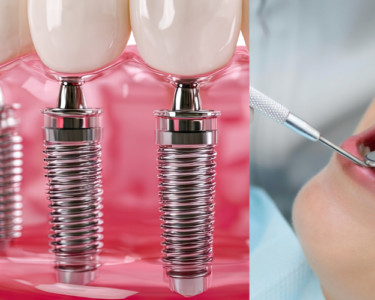
During implant placement, the dentist creates space in the jawbone and places the implant post. The gum may then be closed over or around the implant, depending on the treatment plan.
After placement, the implant needs time to heal and become stable in the bone. This healing process is an important reason why implant treatment can take months rather than days.
Stage 4: Healing and Osseointegration
After implant placement, the jawbone needs time to heal around the implant. This process is called osseointegration. It means the implant becomes stable enough to support the final replacement tooth.
How Long Does Implant Healing Take?
Healing time varies from patient to patient. Some patients may heal in a few months, while others may need longer. Healing can depend on bone quality, oral hygiene, medical health, smoking, implant position, and whether grafting was done.
The replacement tooth should only be fitted when the dentist confirms that the implant is stable enough for the next stage. Attaching the final crown too early may not be suitable for every patient.
Stage 5: Abutment and Crown Placement
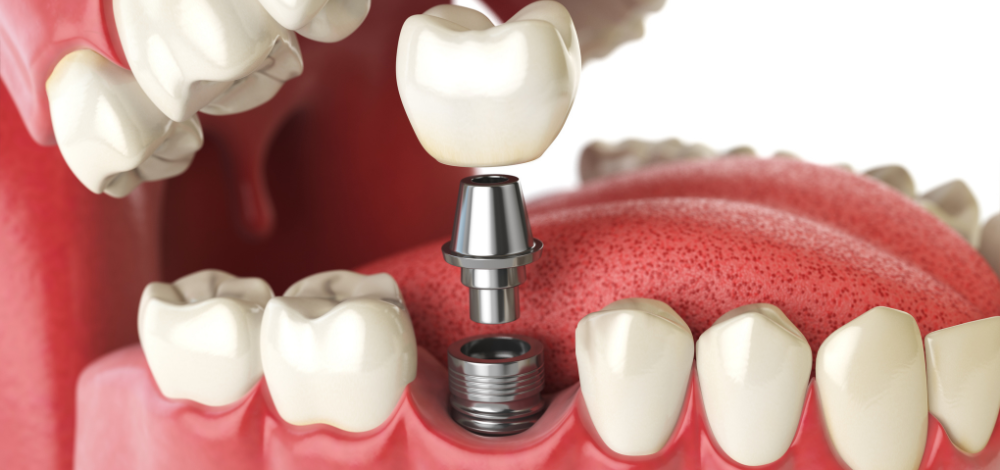
After the implant has healed, the dentist may attach an abutment. This is the connector between the implant and the final replacement tooth.
When the Final Tooth Is Fitted
The final crown, bridge, or denture is usually fitted after healing is complete. The dentist may take impressions or digital scans to create a restoration that fits your mouth and bite.
For a single missing tooth, the final restoration is usually a crown. For several missing teeth, the implant may support a bridge or denture.
Can Dental Implants Be Done in One Day?
Some patients search for same-day dental implants in Dubai because they want faster results. In selected cases, immediate implant placement or temporary teeth may be possible. However, same-day treatment is not suitable for every patient.
Same-Day Implants Are Not for Every Patient
A dentist must check bone support, gum health, bite pressure, infection status, and overall treatment risk before recommending same-day implant treatment.
If there is infection, poor bone support, heavy bite pressure, or a need for grafting, a slower staged approach may be safer. Patients should be careful with any claim that suggests every dental implant can be completed in one day.
What Can Delay the Dental Implant Process?
Dental implant timelines vary because some patients need extra care before the implant can support a final tooth.
Common Reasons Treatment Takes Longer
The process may take longer if you need:
- tooth extraction before implant placement;
- bone grafting;
- sinus lift treatment;
- gum disease treatment;
- infection treatment;
- healing after dental abscess;
- management of smoking-related risks;
- medical clearance;
- full-mouth implant planning;
- temporary restoration before the final teeth.
Delays are not always a bad sign. Sometimes, taking more time helps the dentist create a safer and more stable treatment plan.
Is the Dental Implant Timeline Different for Full-Mouth Implants?
Yes. Full-mouth implant treatment is usually more complex than a single-tooth implant. It may involve more planning, more implants, temporary teeth, and a larger final restoration.
Single Implant Versus Full-Arch Treatment
A single implant may replace one missing tooth with a crown. Full-arch treatment may use several implants to support a full set of replacement teeth.
Patients considering larger implant treatment can read more about full mouth dental implants cost and All-on-4 vs All-on-6 implants.
How to Prepare for a Smooth Dental Implant Process
You can help your treatment go more smoothly by following your dentist’s instructions and asking clear questions before treatment starts.
Questions to Ask Your Dentist
Before beginning implant treatment, ask:
- How many visits may I need?
- Do I need a tooth extraction first?
- Do I need bone grafting or a sinus lift?
- When will the implant be placed?
- How long should healing take in my case?
- Will I need a temporary tooth?
- When will the final crown be fitted?
- What could delay my treatment?
- How should I clean around the implant?
- What follow-up appointments will I need?
These questions help you understand the timeline, cost, and aftercare before starting treatment.
How Does the Timeline Affect Implant Cost?
The timeline and cost are often connected. If treatment involves extra stages, such as grafting, temporary teeth, or more follow-up visits, the total cost may change.
More Stages May Mean a Different Quote
A simple single implant may have a shorter timeline and clearer fee. A more complex case may involve several steps and separate costs. This is why patients should ask for a written treatment plan instead of comparing only advertised prices.
If you are still deciding whether implants are the right choice, read are dental implants worth the cost?.
Dental Implant Timeline Versus Other Tooth Replacement Options
Dental implants may take longer than some alternatives because healing is part of the process. A dental bridge or denture may sometimes be completed faster, but the right option depends on your oral health and treatment goals.
Compare Your Options Before Deciding
A bridge, denture, or implant may each be suitable in different situations. The best option depends on your remaining teeth, jawbone, gums, budget, and comfort expectations.
For a detailed comparison, read dental bridge or dental implant.
Frequently Asked Questions About the Dental Implant Process
How long does a single dental implant take?
A single dental implant may take a few months from consultation to final crown in many cases. The timeline can be shorter or longer depending on extraction needs, healing, bone condition, and whether grafting is required.
Can a dental implant be completed in one day?
Some patients may be suitable for same-day or immediate implant options, but not everyone. The dentist must check bone support, infection status, bite pressure, and treatment risk before recommending this approach.
How long after tooth extraction can I get an implant?
Some patients may receive an implant soon after extraction or even at the same appointment. Others may need healing time first. The timing depends on infection, bone support, and the dentist’s clinical assessment.
How long does implant healing take?
Implant healing may take several months for many patients. Healing time depends on bone quality, oral hygiene, general health, smoking status, and whether additional procedures were needed.
Is the dental implant process painful?
Implant placement is usually done with local anaesthesia, so patients should not feel sharp pain during the procedure. Some soreness or swelling may occur after treatment. Your dentist will explain aftercare and pain control options.
What delays dental implant treatment?
Common delays include infection, bone grafting, sinus lift treatment, gum disease, smoking, slow healing, medical conditions, or complex full-mouth treatment planning.
When is the final crown placed after implant surgery?
The final crown is usually placed after the dentist confirms that the implant has healed and is stable enough. The timing varies between patients.
Final Thoughts on the Dental Implant Process
The dental implant process in Dubai can take a few months in many cases, but the timeline depends on your dental health, jawbone, treatment plan, and whether extra procedures are needed. A single implant may be simpler, while full-mouth implant treatment usually requires more planning and more stages.
The safest way to understand your timeline is to have a dental examination, complete the recommended scans, and ask for a clear written treatment plan. Your dentist should explain each stage, possible delays, healing time, final crown timing, and aftercare before treatment begins.
Medical Disclaimer
This article is provided for general dental education in Dubai and the UAE. It does not diagnose dental conditions or replace personalised advice from a qualified dentist. Seek urgent dental care if you have severe pain, facial swelling, fever, pus, uncontrolled bleeding, difficulty swallowing, or symptoms of spreading infection.