

 By
By Yes, an emergency dentist can often perform or start root canal treatment in Dubai if the tooth is suitable and the clinic has the right equipment. This may happen when you have severe tooth pain, swelling, deep decay, infection, or pain that cannot wait for a routine appointment.
But not every emergency root canal can be fully completed on the same day. Some cases may need pain control first, drainage, medication, a temporary filling, or referral to an endodontist. This depends on the tooth, infection level, number of canals, swelling, and case complexity.
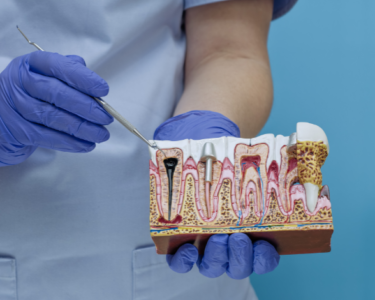
Root canal treatment is used when the pulp inside the tooth becomes infected or inflamed. The American Association of Endodontists explains that root canal treatment removes the inflamed or infected pulp, then the tooth is cleaned, disinfected, filled, and sealed to help save the natural tooth.
This guide explains when an emergency dentist can perform a root canal, when specialist care may be needed, what happens during the visit, cost factors in Dubai, and when urgent care should not be delayed.
This content is for general education only. It does not replace a dental examination or personal advice from a licensed dentist.
Quick Answer: Can an Emergency Dentist Do a Root Canal?
Yes, an emergency dentist can often do a root canal or start the treatment if the tooth condition allows it. In simple cases, the treatment may be completed the same day. In complex cases, the dentist may reduce pain, open the tooth, drain infection if needed, place a temporary filling, and refer you to an endodontist.
If your tooth pain is severe, or if swelling, pus, or fever is present, do not wait too long. Read our full guide on emergency root canal treatment for urgent warning signs.
When Can an Emergency Dentist Perform a Root Canal?
An emergency dentist may perform a root canal when the tooth pain is caused by infection or inflammation inside the tooth. This usually happens when bacteria reach the pulp through decay, cracks, trauma, or a leaking filling.
An emergency root canal may be possible if you have:
Severe toothache.
Deep cavity reaching the nerve.
Pain when biting.
Lingering hot or cold sensitivity.
Swollen gum near the tooth.
A gum pimple or pus.
A tooth abscess.
Pain that keeps you awake.
A broken tooth exposing the nerve.
If the dentist can safely access the tooth, clean the canals, and control infection, they may start or complete the root canal during the emergency appointment.
When Might You Need an Endodontist Instead?
An endodontist is a dentist who focuses on root canal treatment and problems inside the tooth. Some emergency cases are too complex for a same-day general emergency visit.
You may need an endodontist if you have:
Molar root canal.
Curved canals.
Blocked canals.
Narrow canals.
Root canal retreatment.
Failed previous root canal.
Severe swelling.
Complex infection.
Cracked tooth concern.
Pain that is hard to diagnose.
A molar with several canals.
A general emergency dentist may first control the pain and infection, then refer you to an endodontist for full treatment. This is not a bad sign. It simply means the case may need more specialist care.
To understand this better, read what type of dentist performs root canals.
What Happens During an Emergency Root Canal Visit?
The emergency visit usually starts with a dental examination. The dentist needs to find out whether the pain is coming from the tooth nerve, gum, cracked tooth, abscess, or another problem.
The visit may include:
Checking your symptoms.
Reviewing your dental and medical history.
Examining the painful tooth.
Checking swelling or gum infection.
Taking a dental X-ray.
Testing biting pain.
Using local anesthesia.
Opening the tooth.
Removing infected or inflamed pulp.
Cleaning and disinfecting the canals.
Draining infection if needed.
Placing medicine inside the tooth if needed.
Sealing the tooth with a temporary or permanent filling.
Planning the next appointment or referral.
Mayo Clinic explains that root canal treatment may help get rid of infection and save the tooth by removing diseased pulp, draining abscess if needed, and filling and sealing the tooth.
For a step-by-step explanation, read what happens during a root canal.
Can the Root Canal Be Completed the Same Day?
Yes, a root canal can sometimes be completed the same day. This is more likely when the tooth is simple, the infection is controlled, and the canals are easy to clean.
Same-day treatment may be possible for:
Front teeth.
Some premolars.
Mild to moderate infection.
Cases without heavy swelling.
Cases where the tooth is easy to access.
But same-day completion may not be possible if the tooth has severe infection, swelling, curved canals, multiple canals, previous failed root canal treatment, or needs specialist care.
Even when the root canal is completed, you may still need a permanent filling or crown later.
Will the Emergency Dentist Only Give Pain Relief?
Sometimes, yes. The first emergency visit may focus on pain control and infection control, especially if the swelling is severe or the tooth is complex.
The dentist may:
Open the tooth to reduce pressure.
Drain infection.
Place medicine inside the tooth.
Prescribe medication if needed.
Place a temporary filling.
Refer you to an endodontist.
Book you for completion of treatment.
This first visit can still be very important because it may reduce pain and stop the infection from worsening.
What Symptoms Mean You Should Not Wait?
Some dental symptoms need urgent attention. You should not wait if you have swelling, fever, pus, or difficulty swallowing or breathing.
Contact a dentist urgently if you have:
Severe tooth pain.
Pain when biting.
Swelling in the gum, cheek, jaw, or face.
A gum pimple near the tooth.
Pus or bad taste.
Fever.
Difficulty opening your mouth.
Swelling near the eye or neck.
Difficulty swallowing.
Difficulty breathing.
Mayo Clinic advises seeing a dentist promptly for tooth abscess symptoms, and going to an emergency room if there is fever with facial swelling and you cannot reach a dentist, or if there is trouble breathing or swallowing.
If you already have infection signs, read signs of infection after a root canal and facial swelling after a root canal.
Can an Emergency Dentist Treat a Tooth Abscess?
Yes, an emergency dentist may treat a tooth abscess, depending on the case. Treatment may include drainage, root canal treatment, extraction, medication, or referral.
A tooth abscess is a pocket of infection. It may cause severe pain, swelling, bad taste, pus, and fever.
Antibiotics may be used if infection has spread, but they usually do not remove the source inside the tooth. Mayo Clinic explains that antibiotics may be prescribed if infection spreads to nearby teeth, the jaw, or other areas, but dental treatment may still be needed.
To understand abscess symptoms, read tooth abscess symptoms.
How Much Does Emergency Root Canal Treatment Cost in Dubai?
Emergency root canal cost in Dubai depends on tooth type, infection level, number of canals, X-rays, clinic location, dentist experience, and whether specialist care is needed.
Estimated ranges may include:
| Treatment Type | Estimated Cost in Dubai |
|---|---|
| Emergency consultation and X-ray | AED 150 to AED 500 |
| Front tooth root canal | AED 800 to AED 1,500 |
| Premolar root canal | AED 1,000 to AED 1,800 |
| Molar root canal | AED 1,500 to AED 3,000 |
| Root canal retreatment | AED 1,800 to AED 3,500+ |
| Crown after root canal | AED 1,000 to AED 3,500+ |
These are general estimates only. The final cost depends on your dentist’s examination and clinic quote. Emergency fees, CBCT scan, drainage, medication, or crown work may cost extra.
For a full breakdown, read root canal cost in Dubai.
Is Emergency Root Canal Painful?
Emergency root canal treatment is usually done with local anesthesia. The dentist numbs the tooth and surrounding area before starting.
Many patients feel relief once pressure is reduced or infected pulp is removed. Some soreness after treatment can happen because the tissues around the root may already be inflamed.
Pain should slowly improve after treatment. If pain gets worse, swelling appears, or pus develops, contact the dentist.
For healing details, read root canal recovery time.
Can You Wait Until Tomorrow With Root Canal Pain?
It depends on your symptoms.
If pain is mild and stable, you may be able to schedule a prompt dental visit. But you should not wait if pain is severe, swelling is present, fever starts, pus appears, or swallowing or breathing becomes difficult.
Mayo Clinic advises calling a dentist or doctor right away for toothache with pain lasting more than a day or two, fever, swelling, pain when biting, red gums, or foul-tasting discharge. If there is trouble breathing or swallowing, go to a hospital emergency department.
If you are trying to manage pain before your appointment, read how to stop a toothache at home. Home care should only be temporary.
Will You Need a Crown After an Emergency Root Canal?
Many back teeth need a crown after root canal treatment. This is because molars and premolars handle strong chewing pressure and may already be weakened by decay, cracks, or old fillings.
A front tooth may sometimes need only a permanent filling, depending on how much tooth structure remains.
Ask the dentist:
Is the root canal complete?
Do I need a crown?
When should the crown be placed?
Is the crown included in the quote?
What happens if I delay the crown?
A crown is often part of protecting the tooth long term.
What Should You Avoid Before Seeing an Emergency Dentist?
If you are waiting for your emergency appointment, avoid anything that can make the tooth worse.
Do not:
Chew on the painful side.
Press or massage swollen areas.
Try to drain pus yourself.
Put aspirin directly on the gum.
Take leftover antibiotics.
Use sharp objects near the tooth.
Delay care if swelling spreads.
Use painkillers only if they are safe for you and follow the label or your dentist’s advice.
How to Choose an Emergency Dentist in Dubai
When choosing an emergency dentist in Dubai, look for proper diagnosis, X-ray availability, clear pricing, infection control, and a follow-up plan.
Ask:
Is the dentist licensed in Dubai?
Can the clinic take an X-ray today?
Can the dentist start root canal treatment if needed?
Will I need an endodontist?
Is this a simple or complex case?
What is included in the emergency fee?
Will I need a crown?
What should I do if swelling gets worse?
Dubai Health Authority lists dental policies and regulations, including guidelines for endodontics, dental radiology, infection control, and other dental services. DHA also provides clinical infection control guidance for dental clinics.
For more help, read how to choose the right dentist in Dubai.
Related Root Canal Guides
Emergency root canal treatment
What type of dentist performs root canals
Root canal cost in Dubai
What happens during a root canal
Root canal recovery time
Do I need a root canal or filling
Signs of infection after a root canal
Facial swelling after a root canal
How to choose the right dentist in Dubai
FAQs About Emergency Dentists and Root Canals
Can an emergency dentist perform root canals?
Yes, an emergency dentist can often perform or start root canal treatment if the tooth is suitable. Complex cases may need referral to an endodontist.
Can an emergency dentist complete root canal the same day?
Sometimes, yes. Same-day completion may be possible for simple cases. Complex molars, swelling, retreatment, or severe infection may need more than one visit.
Will an emergency dentist stop tooth pain immediately?
Many patients feel relief after pressure is reduced or infected pulp is removed. But soreness may remain for a few days, especially if the tooth was badly inflamed.
When do I need an endodontist instead?
You may need an endodontist for molars, curved canals, blocked canals, failed root canal treatment, retreatment, severe infection, or pain that is hard to diagnose.
Can an emergency dentist treat a tooth abscess?
Yes, an emergency dentist may treat a tooth abscess with drainage, root canal treatment, extraction, medication, or referral depending on the case.
How much does emergency root canal cost in Dubai?
Emergency root canal cost in Dubai may range from AED 800 to AED 3,500+ depending on tooth type, infection level, number of canals, X-rays, clinic, and whether specialist care is needed.
Is emergency root canal painful?
Local anesthesia is used to numb the tooth. You may feel pressure, but sharp pain should be controlled. Some soreness after treatment can be normal.
Can I wait until tomorrow with root canal pain?
You should not wait if pain is severe or if swelling, fever, pus, difficulty swallowing, or breathing trouble appears. These symptoms need urgent care.
Will I need a crown after emergency root canal?
Many back teeth need a crown after root canal treatment. The dentist will check how much tooth structure remains and explain whether a crown is needed.
What should I do if my face is swollen from tooth pain?
Contact a dentist urgently. If swelling is spreading, or you have fever, difficulty breathing, or difficulty swallowing, seek emergency medical care.
Final Advice
An emergency dentist can often perform or start root canal treatment in Dubai, especially when tooth pain is severe or infection needs urgent care. Simple cases may be completed the same day. Complex cases may first need pain control, drainage, temporary treatment, or referral to an endodontist.
If you have swelling, fever, pus, or trouble swallowing or breathing, do not delay care. Early treatment may reduce pain, control infection, and help save the natural tooth.