
 By
By What happens if you delay a root canal? The answer depends on how badly the tooth is damaged, whether infection is already present, and how long you wait. In some cases, a short delay may only mean more pain. In other cases, the infection can spread, swelling can appear, and the tooth may become harder to save.
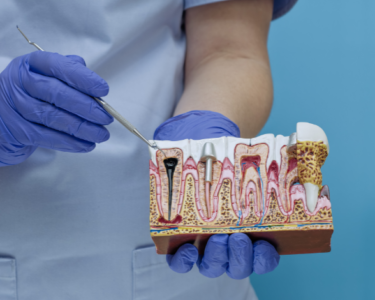
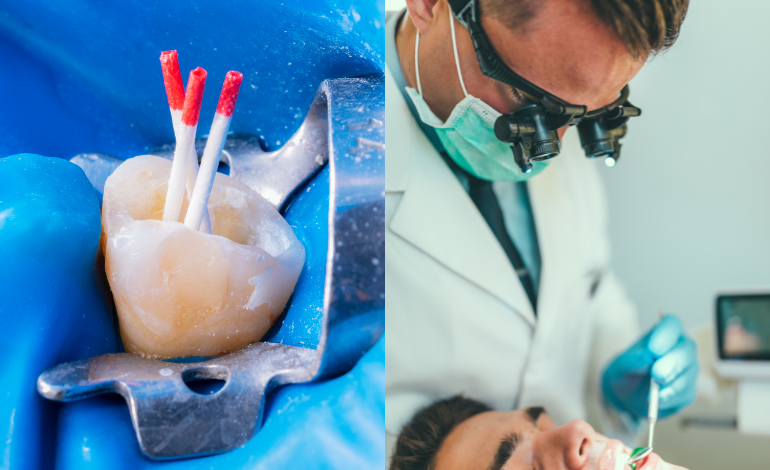
A root canal is usually recommended when the soft tissue inside the tooth, called the pulp, becomes infected or inflamed. Root canal treatment removes the inflamed or infected pulp, cleans and disinfects the inside of the tooth, then fills and seals the canals to help save the natural tooth.
This guide explains what can happen if you delay treatment, when waiting becomes risky, what symptoms need urgent attention, and what Dubai patients should do if they cannot get a dental appointment immediately.
This content is for general education only. It does not replace a dental examination or personal advice from a licensed dentist.
Quick Answer: Can You Delay a Root Canal?
You should not delay a root canal if you have severe tooth pain, swelling, pus, fever, a gum pimple, bad taste, or pain when biting. These symptoms may mean the tooth nerve is infected or that an abscess is forming.
A short delay may be possible only if the pain is mild, there is no swelling, and a dentist has already checked the tooth. Even then, you should follow the dentist’s advice and return for treatment as planned.
If your symptoms are urgent, read emergency root canal treatment.
Why Dentists Recommend Root Canal Treatment
Dentists usually recommend root canal treatment when the pulp inside the tooth is infected or badly inflamed. This may happen because of deep decay, a crack, trauma, repeated dental work, or a leaking old filling or crown.
The aim is to remove the infected tissue, clean the root canals, and seal the tooth. If the tooth is still restorable, treatment may help save it instead of removing it.
Root canal treatment is often done to relieve dental pain and save teeth when there is inflammation or infection in the tooth roots.
For a step-by-step explanation, read what happens during a root canal.
What Can Happen If You Wait Too Long?
Delaying treatment does not always cause the same result for every person, but the risk usually increases with time.
Tooth Pain Can Get Worse
A tooth that needs a root canal may start with mild sensitivity or occasional pain. Over time, the pain can become stronger, deeper, and more constant.
Pain may become worse when biting, drinking something hot, or lying down at night. Some patients also notice that painkillers stop working as well as before.
Infection Can Spread Around the Root
If bacteria reach the pulp, the infection can move through the root canal system and affect the area around the root tip.
This may lead to tenderness, swelling, pus, or a dental abscess. Once infection spreads outside the tooth, treatment may become more urgent.
A Dental Abscess Can Develop
A dental abscess is a pocket of infection. It can cause severe pain, gum swelling, facial swelling, bad taste, fever, and swollen lymph nodes.
Mayo Clinic explains that a tooth abscess does not go away without treatment and that untreated infection can lead to serious, even life-threatening, complications.
If you are unsure about abscess symptoms, read tooth abscess symptoms.
Facial Swelling Can Appear
Swelling in the cheek, jaw, gum, or face may mean the infection is spreading or pressure is building around the tooth root.
Facial swelling should not be ignored, especially if it is spreading, painful, or linked with fever, pus, or difficulty opening the mouth.
Read more here: facial swelling after a root canal.
The Tooth Can Become Weaker
Deep decay can remove more tooth structure over time. A tooth that may have been saved earlier with root canal treatment and a crown may become too weak later.
A cracked or badly broken tooth may not be restorable. In that case, extraction may be the only option.
Treatment Can Become More Complex
A delayed root canal may need more than a simple appointment. Depending on the condition, the dentist may need extra X-rays, drainage, medication, retreatment planning, CBCT imaging, or specialist endodontic care.
Complex treatment usually takes more time and may cost more.
Extraction May Become Necessary
If the tooth is too damaged, fractured, loose, or infected beyond repair, root canal treatment may no longer be suitable.
In that case, the dentist may recommend removing the tooth. After extraction, you may need to consider a dental implant, bridge, or denture to replace the missing tooth.
Can Tooth Pain Go Away Without Treatment?
Yes, tooth pain can sometimes reduce on its own, but that does not always mean the tooth is healing.
If the nerve inside the tooth dies, the pain may become less intense for a while. But the bacteria may still remain inside the tooth. Infection can continue silently and later cause swelling, abscess, or severe pain.
This is why pain disappearing is not always a safe sign. If the tooth was painful for days or weeks, it should still be checked.
If you are trying to understand tooth nerve pain, read how long will a tooth hurt before the nerve dies.
Warning Signs You Should Not Wait
You should not delay dental care if you have symptoms that suggest infection is spreading or becoming urgent.
Warning signs include:
Severe toothache.
Pain when biting.
Facial swelling.
Gum swelling.
A gum boil or pimple.
Pus near the tooth.
Bad taste or bad smell.
Fever.
Swollen glands under the jaw.
Difficulty opening the mouth.
Difficulty swallowing.
Difficulty breathing.
Swelling near the eye or neck.
Mayo Clinic lists tooth abscess symptoms such as severe toothache, sensitivity, fever, swelling in the face, cheek, or neck, swollen lymph nodes, foul mouth odor, and pain when biting or chewing. It also advises emergency care for trouble breathing or swallowing.
If these symptoms are present, read emergency root canal treatment and contact a dentist quickly.
Does Delaying Root Canal Increase Cost?
Delaying treatment can increase the total cost if the problem becomes more complex.
Early treatment may involve a planned root canal and final restoration. Delayed treatment may need extra steps such as emergency consultation, drainage, medication, CBCT scan, root canal retreatment, crown, extraction, implant, bridge, or denture.
A delayed tooth may also need specialist care if the infection is advanced or the canal system is complex.
For detailed pricing, read root canal cost in Dubai.
Root Canal vs Extraction If You Wait Too Long
If the tooth is still strong enough, root canal treatment may help save it. Saving a natural tooth is often preferred when possible because it keeps your natural chewing function and avoids a gap.
The American Association of Endodontists says it is best to retain natural teeth whenever possible, and endodontic treatment should be considered as a tooth-saving option when suitable.
But if the tooth is badly cracked, broken below the gum line, loose, or not restorable, extraction may be recommended.
Extraction may cost less at first, but replacing the missing tooth later can increase the total cost. Replacement options may include an implant, bridge, or denture.
What Should You Do If You Cannot Get an Appointment Immediately?
If you cannot see a dentist right away, use safe temporary steps while arranging care.
You can:
Eat soft foods.
Avoid chewing on the painful side.
Keep the area clean.
Rinse gently with warm salt water.
Avoid very hot or very cold foods if they trigger pain.
Use over-the-counter pain relief only if it is safe for you.
Call clinics for the earliest appointment.
Keep a note of swelling, fever, or worsening symptoms.
Do not:
Place aspirin directly on the gum.
Try to drain pus yourself.
Take leftover antibiotics.
Use sharp tools around the tooth.
Ignore swelling or fever.
Delay urgent care if swallowing or breathing becomes difficult.
For temporary steps, read how to stop a toothache at home.
Can Antibiotics Replace a Root Canal?
Usually, antibiotics cannot replace root canal treatment.
Antibiotics may help when infection is spreading, but they do not remove infected pulp from inside the tooth. If the source remains, symptoms may return.
A dentist may prescribe antibiotics in some cases, especially if swelling, fever, or spreading infection is present. But proper dental treatment is usually still needed.
Never take leftover antibiotics without a dentist’s advice.
How Long Can You Wait Before Getting a Root Canal?
There is no safe general timeline for everyone. It depends on symptoms, X-ray findings, infection level, tooth structure, and medical health.
If a dentist has already told you that the tooth needs root canal treatment, it is better not to delay. If the tooth has severe pain, swelling, pus, or fever, it should be treated urgently.
If symptoms are mild but ongoing, schedule a dental visit soon. A small problem may become more complex if ignored.
How Dubai Patients Should Choose a Dentist
When choosing a dentist in Dubai for root canal treatment, look for proper diagnosis, clear communication, and safe treatment planning.
Ask:
Is the dentist licensed in Dubai?
Will an X-ray be taken?
Is the tooth still restorable?
Is this a simple or complex root canal?
Do I need an endodontist?
How many visits may be needed?
Will I need a crown?
What is the full estimated cost?
What symptoms should I watch for?
What should I do if swelling appears?
Dubai Health Authority lists dental policies and regulations, including guidance for endodontics, infection control, dental radiology, and restorative dentistry.
For more help, read how to choose the right dentist in Dubai.
Related Root Canal Guides
Emergency root canal treatment
Root canal cost in Dubai
What happens during a root canal
Root canal recovery time
Do I need a root canal or filling
Signs of infection after a root canal
Facial swelling after a root canal
Tooth abscess symptoms
How to stop a toothache at home
How to choose the right dentist in Dubai?
How to Tell If a Tooth Is Infected?
FAQs About Delaying Root Canal Treatment
What happens if you delay a root canal?
Delaying a root canal may allow pain, infection, swelling, abscess, and tooth damage to get worse. In some cases, the tooth may become harder to save.
How long can I wait before getting a root canal?
There is no safe timeline for everyone. If you have severe pain, swelling, pus, fever, or pain when biting, you should not wait. A dentist needs to examine the tooth.
Can tooth pain go away if I delay treatment?
Pain may reduce if the nerve dies, but infection can still remain inside the tooth. Pain going away does not always mean the tooth is healthy.
Can delaying root canal cause swelling?
Yes. If infection spreads beyond the tooth root, gum swelling or facial swelling can develop.
Can an untreated tooth infection become serious?
Yes. An untreated tooth infection can spread and may become medically urgent, especially if swelling affects the face, neck, breathing, or swallowing.
Will delaying root canal make it more expensive?
It can. Delay may lead to emergency visits, drainage, extra imaging, specialist care, crown work, extraction, or tooth replacement.
Can I take antibiotics instead of a root canal?
Antibiotics may help control spreading infection, but they usually do not remove the source inside the tooth. Root canal treatment or another dental procedure may still be needed.
What symptoms mean I need emergency dental care?
Severe pain, facial swelling, pus, fever, difficulty opening the mouth, difficulty swallowing, or difficulty breathing need urgent attention.
Can the tooth still be saved after delaying treatment?
Sometimes, yes. It depends on how much tooth structure remains, whether the tooth is cracked, and how far the infection has spread.
Should I choose a root canal or an extraction?
If the tooth can be saved, root canal treatment may be recommended. If the tooth is badly damaged, cracked, or not restorable, extraction may be needed.
Final Advice
Delaying a needed root canal can turn a treatable tooth problem into a more serious infection or a more complex dental case. Mild pain may seem manageable, but an infection inside a tooth usually does not fix itself.
For Dubai patients, the safest step is to get the tooth checked early. If you have swelling, pus, fever, or severe pain, do not wait. Early care may help save the tooth, reduce cost, and prevent the problem from becoming urgent.