
How Long Does the Dental Implant Process Take

Dental implants represent one of the most effective solutions for replacing missing teeth, offering a permanent and natural-looking restoration. Unlike other tooth replacement options, dental implants involve a multi-phase surgical process that requires careful planning and adequate healing time. The complete dental implant journey typically spans several months, with each phase serving a crucial role in ensuring long-term success. Understanding the timeline helps patients plan accordingly and set realistic expectations for their treatment. This comprehensive guide breaks down each phase of the dental implant process, from initial consultation to final crown placement, providing clear insights into what patients can expect throughout their treatment journey.
Understanding the Dental Implant Procedure
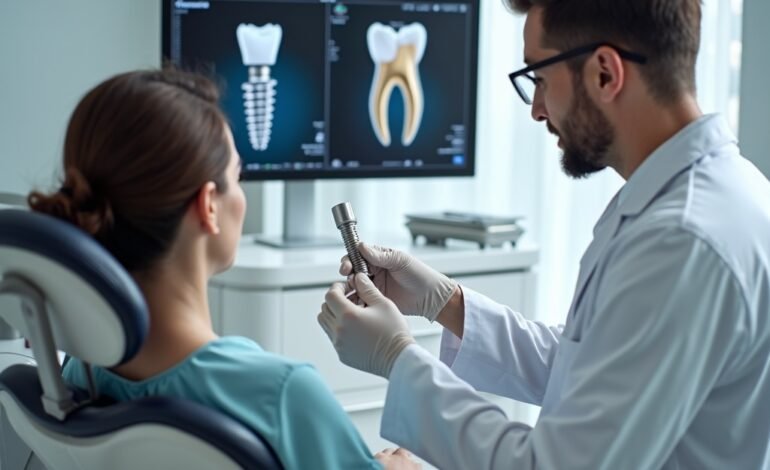
A dental implant is a titanium post surgically placed into the jawbone to replace the root of a missing tooth. This biocompatible metal post serves as the foundation for a crown, bridge, or denture, creating a stable and durable tooth replacement solution. The dental implant procedure is a carefully orchestrated process that involves multiple phases, each requiring specific timeframes for optimal results.
The implant process is surgical in nature and must be performed by qualified dental professionals. In Dubai, dental implant procedures adhere to strict standards set by the Dubai Health Authority (DHA), ensuring patient safety and treatment quality. The timeline for dental implant treatment varies significantly among patients based on individual healing capacity, bone quality, and overall oral health conditions.
Unlike simple dental procedures that can be completed in a single visit, implant treatment requires patience and commitment from both patient and dentist. The multi-phase approach allows for proper healing and integration, which is essential for achieving the high success rates that dental implants are known for. Understanding this process helps patients make informed decisions about their tooth replacement options.
Phase 1: Consultation and Treatment Planning
The dental implant journey begins with a comprehensive consultation and treatment planning phase, typically requiring one to two weeks to complete. During the initial appointment, your dentist conducts a thorough oral examination to assess your suitability for dental implant treatment. This evaluation includes reviewing your medical history, current medications, and any conditions that might affect healing or implant success.
Advanced imaging plays a crucial role in treatment planning. Your dentist will likely request dental X-rays and possibly a CBCT (Cone Beam Computed Tomography) scan to evaluate bone density, bone volume, and proximity to vital structures like nerves and sinuses. These detailed images allow for precise implant placement planning and help determine if additional procedures, such as bone grafting, are necessary.
Following the diagnostic phase, your dental team develops a customized treatment plan tailored to your specific needs. This plan outlines the recommended implant type, size, and placement position, along with a detailed timeline for your treatment. During this phase, you’ll also discuss treatment options, expected outcomes, and receive cost estimates. Some practices use computer-guided implant planning software to enhance precision and predictability of the procedure.
Phase 2: Implant Placement Surgery
The actual implant placement surgery typically takes one to two hours per implant, depending on the complexity of your case. This phase marks the beginning of the surgical portion of your treatment and is performed under local anesthesia to ensure your comfort throughout the procedure. Some patients may also receive sedation options for additional relaxation during surgery.
During the surgical procedure, your dentist creates a precise opening in the jawbone and carefully places the titanium implant post into the prepared site. The implant is positioned at the exact depth and angle determined during the treatment planning phase. Advanced surgical techniques and computer-guided placement help ensure optimal positioning for both function and aesthetics.
Some patients may be candidates for immediate implant placement, where the implant is placed immediately after tooth extraction in the same appointment. Others may require a staged approach, particularly if bone grafting or tissue healing is necessary before implant placement. Your dentist will determine the most appropriate approach based on your individual circumstances and treatment goals.
Phase 3: Healing and Osseointegration
The healing and osseointegration phase represents the longest portion of the dental implant timeline, typically requiring three to six months for completion. Osseointegration is the biological process where the titanium implant post fuses with the surrounding jawbone tissue, creating a strong and stable foundation for the future crown or restoration.
During this critical healing period, bone cells grow around and into the specially treated surface of the implant, essentially making the implant part of your jawbone. This process cannot be rushed, as adequate osseointegration is fundamental to implant success and longevity. The timeline varies among individuals, with factors like age, bone quality, and overall health influencing the healing rate.
Throughout the osseointegration period, patients typically experience minimal discomfort and can maintain most normal activities. Your dentist may provide a temporary restoration or recommend dietary modifications to protect the healing implant site. Regular follow-up appointments allow your dental team to monitor healing progress and ensure proper integration is occurring. Successful osseointegration results in an implant that can withstand the forces of chewing and speaking for many years.
Phase 4: Abutment and Crown Placement
Once osseointegration is complete, the final restoration phase begins with abutment placement. The abutment is a connecting piece that attaches to the implant and supports the crown. This minor procedure typically requires only local anesthesia and involves uncovering the implant and attaching the abutment. The gum tissue around the abutment needs approximately one to two weeks to heal and form a proper seal.
Following abutment placement and healing, your dentist takes impressions or digital scans to create your custom crown. Modern dental laboratories can typically fabricate a high-quality crown within one to two weeks. The crown is designed to match the size, shape, and color of your surrounding natural teeth, ensuring seamless integration with your existing smile.
The final crown placement appointment involves securing the crown to the abutment and making any necessary adjustments for proper fit and bite alignment. Your dentist will check that the crown feels comfortable and functions properly with your bite. Once placed, the crown should look and feel like a natural tooth, completing your dental implant restoration and marking the end of the treatment timeline.
Factors That Affect Dental Implant Timeline
- Bone density and quality significantly impact healing time, with dense bone typically supporting faster osseointegration
- Need for additional procedures like bone grafting, sinus lifts, or tooth extractions can add three to six months to the overall timeline
- Number of implants being placed affects both surgical time and overall treatment duration
- Individual healing capacity varies based on age, general health, and immune system function
- Smoking and tobacco use can significantly slow healing and increase the risk of complications
- Existing oral health conditions such as gum disease must be treated before implant placement
- Location of the implant site, with front teeth often healing faster than back teeth due to better blood supply
- Patient compliance with post-operative care instructions and follow-up appointments
- Medications that affect bone healing or immune function may extend recovery time
- Previous dental work or trauma in the implant area can influence healing patterns
Total Timeline Summary: What to Expect
The complete dental implant process typically ranges from three to eight months from initial consultation to final crown placement. In straightforward cases with good bone quality and no complications, the timeline may be closer to three to four months. More complex cases requiring additional procedures or extended healing may take six to eight months or longer.
Patients should understand that every case is unique, and the timeline can vary significantly based on individual factors. The consultation and planning phase usually takes one to two weeks, while implant placement is completed in a single appointment. The osseointegration period represents the most variable portion of the timeline, typically requiring three to six months for complete healing.
While the dental implant timeline may seem extensive compared to other tooth replacement options, this investment in time yields superior long-term results. The careful, phased approach ensures proper healing and integration, contributing to the high success rates and longevity that make dental implants an excellent investment in oral health. Your dental team will provide a personalized timeline estimate based on your specific treatment plan and individual circumstances.
Frequently Asked Questions
How long does the entire dental implant process take from start to finish?
The complete dental implant process typically takes between three to eight months from initial consultation to final crown placement. This timeline depends on individual factors such as bone healing capacity, the number of implants needed, and whether additional procedures like bone grafting are required. Straightforward cases with good bone quality may be completed in three to four months, while more complex situations can extend to six to eight months or longer.
Is the dental implant surgery itself painful?
The dental implant placement procedure is performed under local anesthesia, so you should not experience pain during the surgery itself. Most patients report that the procedure is more comfortable than they anticipated. Post-operative discomfort is typically mild to moderate and can be effectively managed with prescribed pain medications or over-the-counter pain relievers as recommended by your dentist.
Can dental implant timeline be shortened?
Some patients may qualify for immediate loading protocols or same-day implants, which can shorten the overall timeline. However, this approach depends on several factors including bone quality, implant stability at placement, and overall oral health. Your dentist will evaluate your specific situation to determine if you are a candidate for accelerated treatment protocols while maintaining safety and success rates.
What happens if I need bone grafting before implants?
Bone grafting adds approximately three to six months to the overall implant timeline, as the graft material needs time to integrate and create sufficient bone mass to support the implant properly. The grafting procedure is typically performed first, followed by a healing period before implant placement can proceed. While this extends the treatment timeline, bone grafting significantly improves the likelihood of implant success in cases with insufficient bone volume.
Conclusion
The dental implant process represents a significant time investment that spans several months through distinct treatment phases. From initial consultation and planning through final crown placement, each phase serves a critical purpose in ensuring successful outcomes and long-term implant stability. While the timeline may seem extensive compared to other tooth replacement options, this careful approach contributes to the exceptional success rates and durability that make dental implants the gold standard for tooth replacement.
Understanding the dental implant timeline helps patients set realistic expectations and plan accordingly for their treatment journey. Individual factors such as bone quality, healing capacity, and the need for additional procedures can influence the overall duration, making personalized treatment planning essential. The investment in time ultimately yields superior results that can last for decades with proper care and maintenance.
Dubai Dentist provides reliable educational content to help patients make informed decisions about their oral health. Through comprehensive information about dental procedures and treatment options, we aim to support patient understanding and promote optimal oral health outcomes throughout the Dubai community.