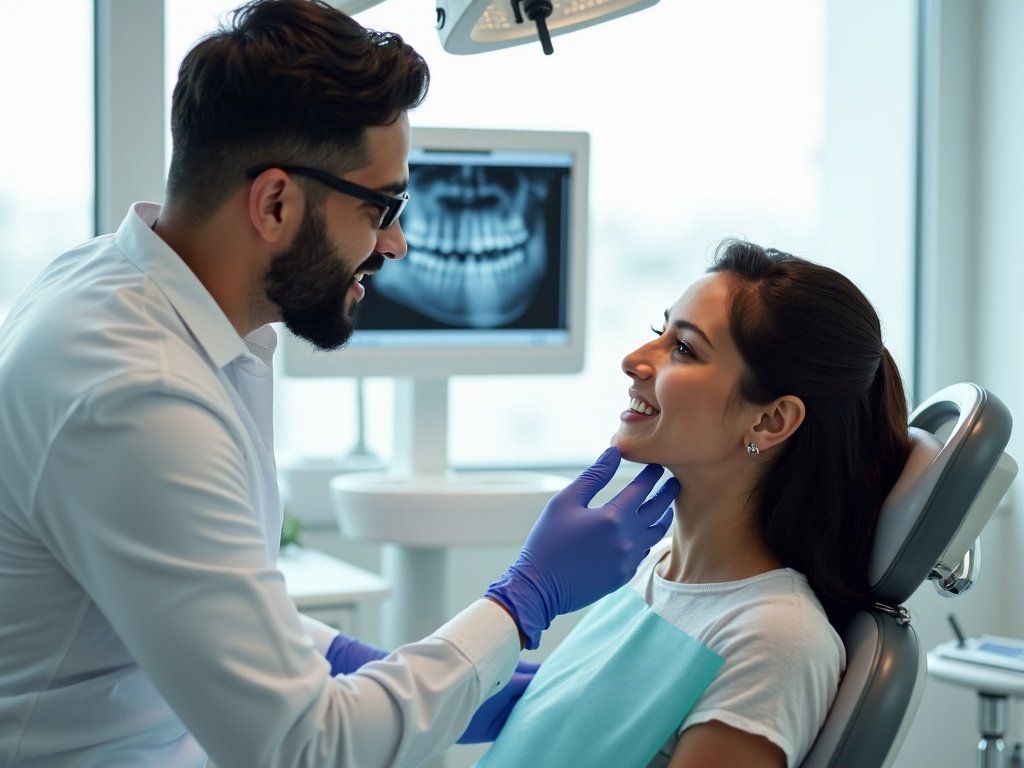

What Is Dental Bonding

Dental bonding is a cosmetic dental procedure that involves applying tooth-colored composite resin material directly to teeth to repair damage or improve their appearance. This versatile treatment can address various dental concerns including chipped teeth, gaps, discoloration, and minor shape irregularities. As one of the most affordable cosmetic dental options available, bonding offers patients an accessible way to enhance their smile without extensive tooth preparation or permanent alterations.
How Dental Bonding Works
Composite resin forms the foundation of dental bonding, consisting of a tooth-colored plastic mixture containing fine glass or quartz particles. This biocompatible material mimics the natural appearance and translucency of tooth enamel. During the procedure, the dentist applies the resin in thin layers, carefully shaping and sculpting it to achieve the desired form and contour.
The bonding process relies on a chemical bond between the composite material and the natural tooth structure. A conditioning liquid prepares the tooth surface to accept the resin, which is then applied and molded. Each layer is hardened using a specialized blue curing light that activates the material’s setting process. This light-curing technology ensures the resin becomes durable and firmly attached to the tooth.
What Dental Bonding Can Fix
- Repairing chipped or cracked teeth
- Closing small gaps between teeth
- Covering discolored or stained teeth
- Making teeth appear longer or changing their shape
- Protecting exposed tooth roots from gum recession
- Filling cavities as an aesthetic alternative to silver amalgam
- Improving the appearance of misshapen teeth
- Covering surface imperfections or rough areas
The Dental Bonding Procedure: What to Expect
- Tooth preparation involves cleaning the surface and applying a conditioning liquid to help the bonding material adhere properly
- Shade selection ensures the composite resin matches your natural tooth color using a comprehensive shade guide
- Resin application involves placing the putty-like material onto the tooth and molding it into the desired shape
- Shaping and contouring allow the dentist to sculpt the material to achieve natural-looking results and proper bite alignment
- Curing with blue light hardens each layer of resin, typically requiring 30-60 seconds per layer
- Final polishing smooths the surface and creates a natural shine that blends seamlessly with surrounding teeth
How Long Does Dental Bonding Last
Bonded teeth typically maintain their appearance and function for 5 to 10 years with proper care and maintenance. The longevity of dental bonding depends on several factors including the location of the bonded tooth, your biting habits, and daily oral care routine. Front teeth often experience less wear compared to back teeth that endure greater chewing forces.
Lifestyle factors significantly impact bonding durability. Habits such as nail biting, chewing ice, or using teeth as tools can cause premature chipping or breaking. Similarly, consuming staining substances like coffee, tea, or tobacco products may cause discoloration over time. Regular dental check-ups allow for early detection of any wear or damage, enabling timely maintenance or replacement when necessary.
Caring for Bonded Teeth
- Brush twice daily with fluoride toothpaste and floss regularly to maintain oral hygiene
- Avoid staining foods and beverages for 48 hours after treatment to prevent discoloration
- Refrain from biting hard objects such as ice, pens, fingernails, or opening packages with teeth
- Wear a custom mouthguard during sports activities to protect bonded teeth from impact
- Use a nightguard if you grind or clench teeth during sleep
- Schedule regular dental cleanings and examinations every six months
- Limit consumption of staining substances like coffee, wine, and tobacco
- Address any chips or rough edges promptly to prevent further damage
Dental Bonding vs Other Cosmetic Treatments
| Treatment | Cost | Durability | Tooth Preparation | Reversibility | Stain Resistance |
|---|---|---|---|---|---|
| Dental Bonding | Most affordable | 5-10 years | Minimal | Reversible | Moderate |
| Porcelain Veneers | Higher cost | 15-20 years | Requires enamel removal | Irreversible | Excellent |
| Dental Crowns | Highest cost | 15-25 years | Significant reshaping | Irreversible | Excellent |
Who Is a Good Candidate for Dental Bonding
Ideal candidates for dental bonding have healthy teeth and gums with minor cosmetic concerns that do not require extensive restoration. This treatment works best for individuals with realistic expectations about the results and longevity of bonding materials. Patients seeking an affordable, conservative approach to smile enhancement often find bonding meets their needs effectively.
Good candidates typically present with small chips, minor gaps between teeth, surface discoloration, or slight shape irregularities. They maintain good oral hygiene habits and demonstrate commitment to following post-treatment care instructions. Additionally, candidates should have sufficient tooth enamel to support the bonding material and stable bite relationships.
Bonding may not be suitable for individuals with severely damaged teeth requiring crown restoration, major tooth misalignment needing orthodontic treatment, or extensive decay. Heavy smokers or those with habits that promote staining may find the aesthetic results diminish more quickly. People who grind their teeth extensively need protective measures to prevent bonding failure.
Frequently Asked Questions
Does dental bonding hurt?
No, dental bonding is generally a painless procedure that requires no anesthesia in most cases. The process involves minimal tooth preparation, and patients typically experience no discomfort during treatment. Local anesthesia may be used only when treating decay or working near sensitive tooth areas.
How much does dental bonding cost in Dubai?
Dental bonding costs in Dubai vary depending on the complexity of the case and number of teeth treated. Generally, bonding represents the most affordable cosmetic dental option compared to veneers or crowns. The investment varies based on the extent of work needed and the specific clinic’s pricing structure.
Can dental bonding be removed?
Yes, dental bonding is completely reversible, which represents one of its key advantages over other cosmetic treatments. The composite resin can be safely removed and replaced if desired, without permanent damage to the natural tooth structure. This flexibility allows patients to explore other treatment options in the future.
How long does the dental bonding procedure take?
A typical dental bonding procedure takes 30 to 60 minutes per tooth, depending on the complexity of the repair or enhancement needed. Simple touch-ups may be completed more quickly, while extensive reshaping or multiple teeth may require longer appointment times. Most bonding treatments can be completed in a single visit.
Will my bonded teeth stain over time?
Yes, composite resin materials can gradually become stained from exposure to coffee, tea, red wine, tobacco, and other staining substances. Unlike porcelain veneers, bonded teeth are more susceptible to discoloration. Maintaining good oral hygiene and avoiding staining foods helps preserve the aesthetic appearance longer.
Conclusion
Dental bonding provides an accessible and conservative approach to cosmetic smile enhancement, effectively addressing chips, gaps, discoloration, and minor shape concerns. This versatile treatment offers patients an affordable alternative to more extensive procedures while maintaining the option for future changes. Understanding the bonding process, expected results, and maintenance requirements helps patients make informed decisions about their dental care options.
The success of dental bonding depends largely on proper candidate selection, skilled application, and committed aftercare. While bonding may not offer the longevity of porcelain veneers or crowns, its reversible nature and cost-effectiveness make it an excellent starting point for many patients seeking smile improvement. Dubai Dentist provides comprehensive educational resources to help you understand various cosmetic dental treatments and make informed decisions about your oral health care.