What Is a Dental Sealant and Who Needs One

A dental sealant is a thin, protective plastic coating applied to the chewing surfaces of back teeth to prevent tooth decay. These clear or tooth-colored barriers are primarily placed on molars and premolars, where deep grooves and pits naturally occur. Dental sealants act as a shield between your tooth enamel and the bacteria, acids, and food particles that cause cavities. This preventive treatment has become a cornerstone of modern dental care, particularly for children and teenagers during their cavity-prone years.
The American Dental Association strongly endorses dental sealants as an effective preventive measure against tooth decay. Unlike dental fillings that treat existing cavities, sealants are applied to healthy teeth to prevent problems before they start. This proactive approach to oral health can save patients from more extensive and costly dental procedures in the future.
How Dental Sealants Protect Teeth from Cavities
Dental sealants work by creating a physical barrier over the natural pits and fissures found on the chewing surfaces of molars and premolars. These deep grooves are difficult to clean effectively with regular brushing, making them prime locations for bacteria and food debris to accumulate. When bacteria feed on trapped food particles, they produce acids that can erode tooth enamel and lead to cavity formation.
The sealant material bonds directly to the tooth enamel, effectively sealing out harmful bacteria, acids, and food particles. Once applied and cured, the sealant creates a smooth surface that is much easier to clean and maintain. This protective coating prevents the bacterial colonization that typically occurs in deep tooth crevices, significantly reducing the risk of decay in treated areas.
Research consistently demonstrates that sealants provide excellent protection against cavities. The smooth, sealed surface allows saliva to flow more freely across the tooth, enhancing its natural cleansing and remineralization processes. This combination of physical protection and improved oral hygiene makes dental sealants one of the most effective preventive treatments available.
Who Should Get Dental Sealants
Children and teenagers are the primary candidates for dental sealants, particularly when their permanent molars first emerge. The first permanent molars typically appear around age 6, while the second set of molars comes in around age 12. Applying sealants shortly after these teeth erupt provides maximum protection during the most cavity-susceptible years.
Adults can also benefit from dental sealants if they have healthy molars without existing decay or fillings. Adults with particularly deep grooves or fissures in their back teeth that are difficult to clean effectively may be excellent candidates for sealant application. The key requirement is that the teeth must be free from decay and structurally sound.
Individuals with a history of frequent cavities, those with limited dexterity that affects their ability to brush thoroughly, or patients undergoing orthodontic treatment may also benefit from the additional protection that sealants provide. Pregnant women can safely receive dental sealants as part of maintaining optimal oral health during pregnancy, when hormonal changes can increase cavity risk.
Dental Sealants for Children and Teenagers
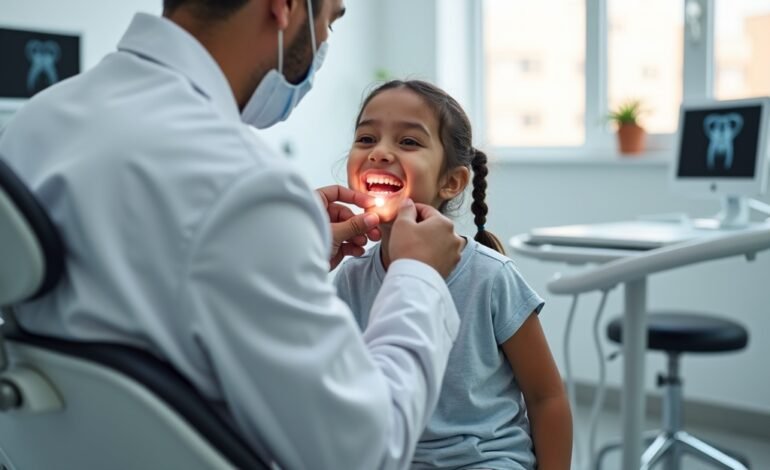
Children represent the most important target group for dental sealant application due to their increased susceptibility to tooth decay. Newly erupted permanent molars have deep grooves that are particularly challenging for children to clean effectively. Young patients often lack the manual dexterity and consistency needed for thorough oral hygiene, making preventive measures like sealants especially valuable.
The timing of sealant application is crucial for maximum effectiveness. The first permanent molars, also called six-year molars, should be sealed soon after they fully emerge and before decay has a chance to develop. Similarly, the second permanent molars that appear around age 12 should receive prompt attention. Early intervention during these critical periods can provide protection that lasts throughout the teenage years when cavity rates are typically highest.
Studies show that children without sealants are nearly three times more likely to develop cavities in their molars compared to those with sealed teeth. This preventive approach is particularly important because once a cavity develops in a permanent tooth, that tooth will require ongoing maintenance and potential replacement of fillings throughout the patient’s lifetime.
Benefits and Effectiveness of Dental Sealants
Clinical research demonstrates that dental sealants can reduce the risk of cavities in molars by up to 80 percent. This remarkable effectiveness makes sealants one of the most successful preventive treatments in modern dentistry. The protection is most pronounced in the first two years after application, but properly maintained sealants continue to provide significant benefits for many years.
From a financial perspective, dental sealants represent an excellent investment in long-term oral health. The cost of applying sealants is typically much lower than treating cavities with fillings, crowns, or other restorative procedures. This cost-effectiveness becomes even more apparent when considering that sealed teeth are less likely to require expensive treatments throughout the patient’s lifetime.
Unlike many dental procedures, sealant application requires no drilling, shots, or removal of healthy tooth structure. The treatment is completely painless and can be completed quickly during a routine dental visit. This non-invasive nature makes sealants an ideal preventive treatment for patients of all ages, particularly children who may be anxious about dental procedures.
What to Expect During the Sealant Application Process
- The tooth surface is thoroughly cleaned to remove any plaque, bacteria, or food debris from the grooves and pits.
- Each tooth is rinsed with water and dried completely to ensure optimal bonding conditions.
- A special acidic gel is applied to the chewing surface to create microscopic roughness that helps the sealant bond to the enamel.
- The tooth is rinsed again and dried thoroughly to remove all traces of the etching solution.
- The liquid sealant material is carefully painted onto the tooth surface, flowing into all the grooves and pits.
- A special curing light is used to harden the sealant material, creating a durable protective coating.
- The bite is checked and any high spots are adjusted to ensure comfortable chewing.
The entire process typically takes only a few minutes per tooth and requires no recovery time. Patients can eat and drink normally immediately after the procedure. The sealant material cures to a hard, durable finish that can withstand normal chewing forces while providing ongoing protection against decay.
How Long Do Dental Sealants Last
Dental sealants typically provide effective protection for 5 to 10 years with proper oral hygiene and regular dental care. The longevity of sealants depends on factors such as the patient’s oral hygiene habits, diet, and the presence of habits like teeth grinding. During routine dental examinations, your dental professional will check the condition of existing sealants and assess whether they need repair or replacement.
While sealants are durable, they can occasionally chip, crack, or wear down over time. When this occurs, bacteria can potentially enter the compromised area and cause decay. Regular dental check-ups allow for early detection of any sealant problems, enabling prompt repair or replacement before dental problems develop.
The good news is that sealants can be easily reapplied if they become damaged or wear away. The reapplication process is similar to the original procedure and can restore full protection to the tooth surface. Many patients find that the years of cavity prevention provided by sealants far outweigh the minimal maintenance required to keep them in good condition.
Are Dental Sealants Safe
Dental sealants have an excellent safety profile and are approved by the Food and Drug Administration for use in patients of all ages. The American Dental Association, American Academy of Pediatric Dentistry, and Centers for Disease Control and Prevention all strongly endorse the use of dental sealants as a safe and effective preventive treatment.
Some patients have expressed concerns about potential BPA exposure from dental sealants. Current research indicates that the amount of BPA released from dental sealants is extremely minimal and well below levels that could cause health concerns. The trace amounts that may be present are eliminated from the mouth within hours of application through normal saliva flow and swallowing.
The safety profile of modern dental sealants makes them appropriate for children, teenagers, adults, and even pregnant women. The materials used in contemporary sealants have been extensively tested and refined over decades of use. The proven benefits of cavity prevention far outweigh any theoretical risks, making sealants one of the safest and most effective preventive treatments available in dentistry.
Frequently Asked Questions
At what age should dental sealants be applied?
Dental sealants are most effective when applied shortly after permanent molars emerge, typically around ages 6 and 12. Early application provides maximum protection during the cavity-prone years when children are developing their oral hygiene skills and dietary habits.
Do dental sealants hurt or require drilling?
No, the sealant application process is completely painless and non-invasive. No drilling, shots, or removal of tooth structure is required. The tooth is simply cleaned, prepared, and the sealant is painted on and hardened with a special light.
Can adults get dental sealants?
Yes, adults can benefit from dental sealants if they have healthy teeth without existing decay or fillings. Adults with deep grooves in their molars that are difficult to clean effectively may be particularly good candidates for sealant treatment.
How long do dental sealants last?
Dental sealants can protect teeth for 5 to 10 years with proper oral hygiene and regular dental check-ups. They can be reapplied if they wear down, chip, or become damaged over time.
Are dental sealants safe for pregnant women?
Yes, dental sealants are considered safe during pregnancy. Maintaining optimal oral health during pregnancy is important for both maternal and fetal health, and sealants provide a non-invasive preventive option that supports overall oral wellness.
Conclusion
Dental sealants represent one of the most effective and practical preventive measures available in modern dentistry. By creating a protective barrier over the vulnerable chewing surfaces of back teeth, sealants can dramatically reduce the risk of cavities, particularly during the high-risk years of childhood and adolescence. The procedure is safe, painless, and cost-effective, making it an excellent investment in long-term oral health.
Understanding when and why dental sealants are recommended empowers patients and parents to make informed decisions about preventive dental care. Early application of sealants to newly erupted permanent molars provides the greatest benefit, but adults with healthy teeth can also experience significant protection from this simple preventive treatment.
Dubai Dentist remains committed to providing comprehensive educational resources about preventive dental treatments like sealants. By sharing evidence-based information about oral health, we help patients understand their options and make informed decisions that support lifelong dental wellness and cavity prevention.