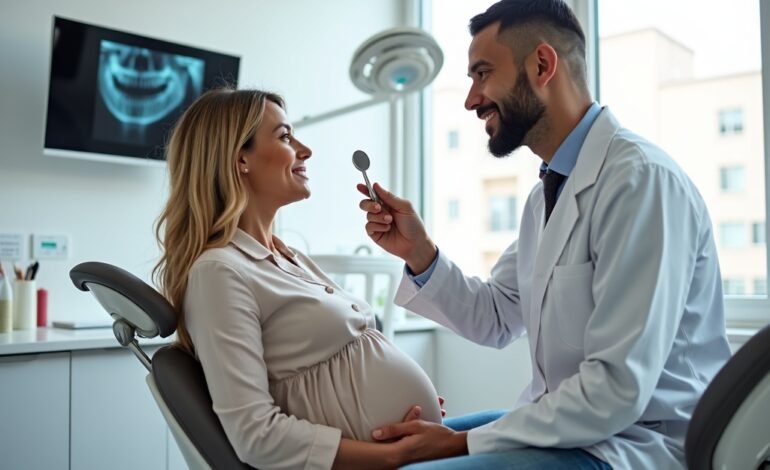
How to Care for Your Teeth During Pregnancy

Pregnancy brings many changes to your body, including your oral health. Hormonal fluctuations during pregnancy can increase your risk of dental problems, making proper oral care more important than ever. Understanding how to maintain healthy teeth and gums during this time protects both you and your developing baby. The good news is that with the right knowledge and consistent care, you can keep your mouth healthy throughout pregnancy. Professional dental care is not only safe during pregnancy but also recommended by dental organizations worldwide.
Why Dental Care Matters During Pregnancy
Dental care during pregnancy is crucial because hormonal changes significantly affect your oral health. Rising levels of progesterone and estrogen increase blood flow to your gums, making them more sensitive to plaque bacteria. This heightened sensitivity can lead to pregnancy gingivitis, which affects up to 75% of pregnant women according to the American Dental Association.
Research suggests that poor oral health during pregnancy may be linked to premature birth and low birth weight babies. The bacteria causing gum disease can enter the bloodstream and potentially reach the placenta. The Dubai Health Authority emphasizes that maintaining good oral hygiene during pregnancy supports overall maternal health.
Regular dental checkups during pregnancy allow for early detection and treatment of potential issues. Preventive care is always easier and less invasive than treating advanced dental problems. Your dentist can provide personalized guidance based on your specific oral health needs during pregnancy.
Common Dental Problems During Pregnancy
- Pregnancy gingivitis: Characterized by red, swollen, and bleeding gums, typically developing between the second and eighth months of pregnancy
- Increased cavity risk: Changes in diet, frequent snacking, and morning sickness can increase acid exposure to teeth
- Enamel erosion: Frequent vomiting during morning sickness exposes teeth to stomach acid, weakening tooth enamel
- Pregnancy tumors: Benign growths on gums that may appear red and bleed easily, usually resolving after delivery
- Tooth mobility: Hormones can affect the ligaments and bones supporting teeth, causing temporary loosening
- Dry mouth: Some pregnant women experience reduced saliva production, increasing bacteria growth and cavity risk
How Hormonal Changes Affect Your Oral Health
Pregnancy hormones create a cascade of changes in your mouth that require understanding and attention. Progesterone levels can increase 10 to 30 times during pregnancy, dramatically altering how your gums respond to bacterial plaque. This hormonal surge increases blood vessel permeability in gum tissue, leading to swelling and inflammation even with minimal plaque accumulation.
Estrogen also plays a significant role by affecting collagen production in gum tissues. Reduced collagen can make gums more fragile and prone to bleeding during routine brushing and flossing. The hormonal environment also changes the composition of saliva, potentially reducing its natural protective properties against harmful bacteria.
These hormonal fluctuations essentially amplify your mouth’s response to plaque bacteria. Areas that might have caused minor irritation before pregnancy can now develop into significant inflammation. Understanding this connection helps explain why maintaining excellent oral hygiene becomes even more critical during pregnancy.
Safe Dental Treatments During Pregnancy
- First trimester: Routine cleanings are safe, but elective procedures are typically postponed due to organ development
- Second trimester: Ideal time for routine dental work including cleanings, fillings, and root canals if needed
- Third trimester: Routine care continues, but lengthy procedures may be uncomfortable due to positioning
- Emergency treatments: Urgent dental care can be safely provided at any stage of pregnancy when necessary
- Local anesthesia: Lidocaine without epinephrine is considered safe for dental procedures during pregnancy
- X-rays: Digital X-rays with proper shielding pose minimal risk but are used only when essential
- Medications: Certain antibiotics like amoxicillin are safe, while others require careful consideration
Essential Oral Hygiene Tips for Expecting Mothers
- Brush twice daily: Use fluoride toothpaste and a soft-bristled toothbrush to prevent gum irritation
- Floss daily: Remove plaque between teeth where hormonal changes can cause rapid inflammation
- Use antimicrobial mouthwash: Choose alcohol-free formulas to reduce bacteria without drying your mouth
- Replace your toothbrush regularly: Change every three months or after illness to maintain effectiveness
- Time dental visits appropriately: Schedule cleanings in the second trimester when most comfortable
- Rinse after morning sickness: Use water or fluoride mouthwash to neutralize stomach acid on teeth
- Avoid aggressive brushing: Gentle circular motions protect sensitive pregnancy gums from trauma
- Stay hydrated: Adequate water intake supports saliva production and natural mouth cleansing
Nutrition for Healthy Teeth During Pregnancy
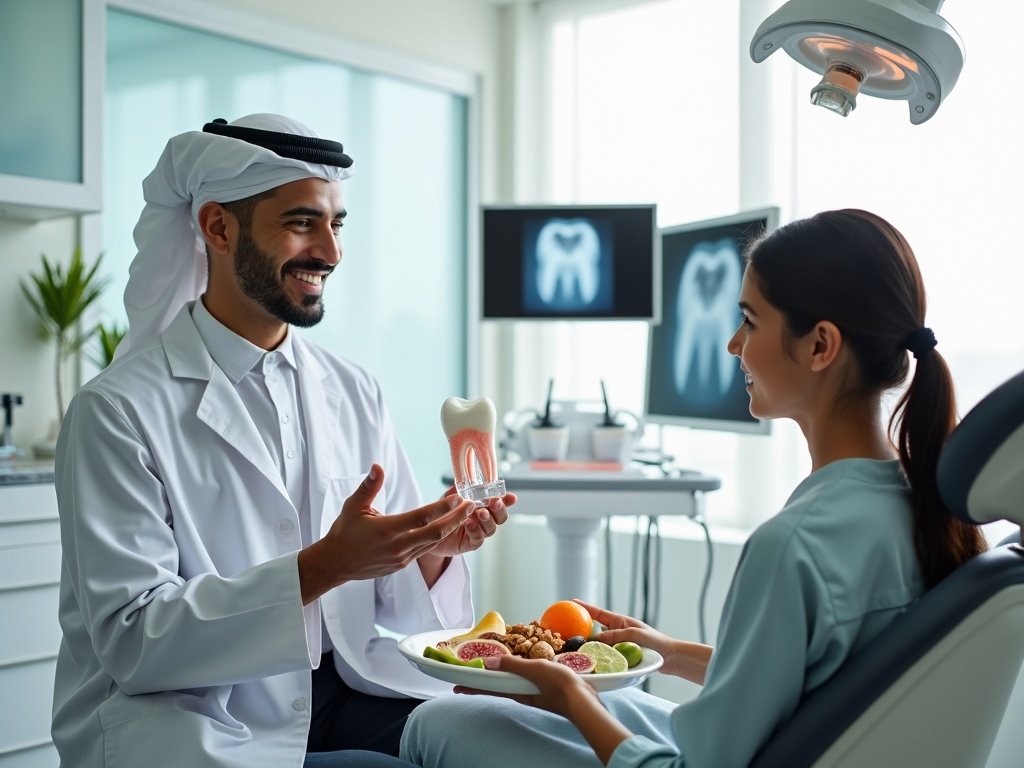
Proper nutrition during pregnancy supports both your oral health and your baby’s tooth development. Calcium intake becomes particularly important as your baby’s teeth begin forming during the second trimester. Good calcium sources include dairy products, leafy greens, almonds, and fortified foods. The World Health Organization recommends 1,000 mg of calcium daily for pregnant women.
Vitamin D helps your body absorb calcium effectively and supports healthy tooth enamel formation. Safe sources include fortified milk, fatty fish, and appropriate sun exposure. Vitamin C strengthens gum tissues and supports healing, making citrus fruits, berries, and vegetables valuable additions to your pregnancy diet.
Limiting sugar intake reduces cavity-causing bacteria in your mouth. When cravings strike, choose fresh fruits over processed sweets. Cheese and nuts make excellent snacks that actually help neutralize mouth acids. Staying well-hydrated maintains adequate saliva flow, which naturally cleanses your mouth and provides protective minerals to your teeth.
Warning Signs That Need Professional Attention
- Persistent gum bleeding: Bleeding that continues beyond normal hormonal sensitivity may indicate developing gingivitis
- Severe gum swelling: Pronounced inflammation that interferes with eating or speaking requires evaluation
- Tooth pain or sensitivity: Discomfort when eating or drinking hot, cold, or sweet substances
- Loose teeth: While slight mobility can be normal, significant looseness needs professional assessment
- Mouth sores or growths: Any unusual bumps, sores, or tissue changes in your mouth
- Persistent bad breath: Chronic halitosis despite good oral hygiene may indicate underlying issues
- Changes in bite: Difficulty closing your mouth normally or changes in how teeth fit together
- Facial swelling: Any swelling around your face, jaw, or neck area
Frequently Asked Questions
Is it safe to visit the dentist during pregnancy?
Yes, dental checkups are safe and recommended during pregnancy. The American Dental Association and American College of Obstetricians and Gynecologists both endorse routine dental care during pregnancy. The second trimester is ideal for routine cleanings and non-emergency procedures. Emergency dental work can be done safely at any stage of pregnancy when necessary for your health and comfort.
Can pregnancy cause permanent damage to teeth?
Pregnancy-related dental issues like gingivitis and cavities are typically reversible with proper care and professional treatment. However, untreated conditions can progress to more serious problems over time. The key is maintaining good oral hygiene and seeking timely professional care. With appropriate attention, most pregnancy-related oral health changes resolve completely after delivery.
Does baby’s calcium come from mother’s teeth?
No, your baby’s calcium needs are met through your diet, not by drawing calcium from your teeth. This is a common myth that has been scientifically disproven. The calcium in your teeth is not mobilizable during pregnancy. However, adequate calcium intake through food or supplements is essential for your baby’s developing teeth and bones, as well as maintaining your own bone health.
When should I tell my dentist that I’m pregnant?
Inform your dentist about your pregnancy at the beginning of your appointment, even if you’re only planning to conceive. This information helps them take appropriate precautions, avoid certain medications or procedures if necessary, and provide the most suitable treatment recommendations. Your dental team can then tailor your care to ensure both safety and effectiveness throughout your pregnancy.
Conclusion
Caring for your teeth during pregnancy requires understanding how hormonal changes affect your oral health and adapting your routine accordingly. The increased risk of gingivitis and cavities makes consistent oral hygiene and professional dental care more important than ever. Remember that dental treatments are safe during pregnancy, and maintaining good oral health protects both you and your developing baby.
Key strategies include brushing with fluoride toothpaste, daily flossing, eating a balanced diet rich in calcium and vitamins, and scheduling regular dental checkups. Pay attention to warning signs like persistent bleeding or tooth pain, and seek professional care promptly when needed. With proper attention and care, you can maintain excellent oral health throughout your pregnancy journey.
Dubai Dentist provides reliable educational content to help expectant mothers navigate oral health challenges during pregnancy. Our comprehensive dental health resources support informed decision-making for optimal oral wellness during this important life stage.