
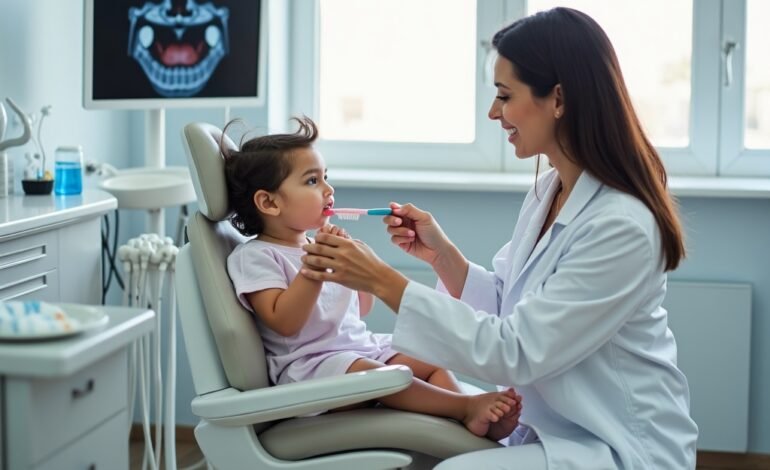
How to Care for a Child’s First Teeth

Caring for a child’s first teeth begins the moment that first tiny tooth breaks through the gum, typically around 6 months of age. These baby teeth, also called milk teeth or primary teeth, play a crucial role in your child’s overall development and set the foundation for lifelong oral health. Proper care during these early months prevents cavities, supports healthy eating and speech development, and establishes positive dental habits that will benefit your child throughout their life.
When Do Children’s First Teeth Appear?
Most children’s first teeth appear between 6 and 12 months of age, though this timing can vary significantly from child to child. The lower central incisors are typically the first to emerge, followed by the upper central incisors. This natural variation means some babies may get their first tooth as early as 4 months or as late as 15 months, both of which are considered normal by pediatric dental standards.
Typical Eruption Timeline
| Tooth Type | Upper Teeth Age Range | Lower Teeth Age Range |
|---|---|---|
| Central Incisors | 8-12 months | 6-10 months |
| Lateral Incisors | 9-13 months | 10-16 months |
| First Molars | 13-19 months | 14-18 months |
| Canines | 16-22 months | 17-23 months |
| Second Molars | 25-33 months | 23-31 months |
By age 3, most children have their complete set of 20 primary teeth. The Dubai Health Authority emphasizes that parents should not be concerned if their child’s teeth appear slightly earlier or later than these averages, as genetic factors and individual development patterns influence timing.
Why Baby Teeth Care Matters
Baby teeth serve essential functions beyond just looking cute in your child’s smile. They enable proper chewing and digestion of food, which supports healthy nutrition during critical growth periods. These primary teeth also play a vital role in speech development, helping children learn to pronounce words correctly as they begin talking.
Perhaps most importantly, baby teeth act as placeholders for permanent teeth. They maintain proper spacing in the jaw and guide permanent teeth into their correct positions. When baby teeth are lost prematurely due to decay or injury, surrounding teeth may shift into the empty space, potentially creating crowding problems when permanent teeth emerge.
Establishing good oral hygiene habits early also sets the foundation for lifelong dental health. Children who learn proper brushing and healthy eating habits during their toddler years are more likely to maintain these practices as they grow older, reducing their risk of cavities and gum disease throughout their lives.
Proper Brushing Technique for Infants
Begin brushing your child’s teeth as soon as the first tooth appears, using these step-by-step techniques to ensure effective and gentle cleaning.
- Select an infant toothbrush with soft bristles and a small head designed for babies
- Apply a rice-grain-sized amount of fluoride toothpaste to the brush
- Gently lift your baby’s lip to expose the teeth and gums
- Use small, gentle circular motions to clean each tooth surface
- Clean the front, back, and chewing surfaces of each tooth
- Gently brush the gum line where teeth meet the gums
- Allow your child to spit out the toothpaste but avoid rinsing with water
- Repeat this process twice daily, preferably after breakfast and before bedtime
Parents should continue to brush their child’s teeth until the child develops the motor skills to brush effectively independently, typically around age 6 or 7. Even after children begin brushing on their own, parental supervision and assistance remain important until age 8.
Choosing the Right Toothbrush
- Select brushes with soft, rounded bristles that won’t damage tender gums
- Choose a brush head small enough to reach all areas of your child’s mouth comfortably
- Look for age-appropriate sizes specifically designed for infants and toddlers
- Replace the toothbrush every 3 months or immediately after your child has been ill
- Consider brushes with colorful handles or characters to make brushing more appealing
Nutrition and First Teeth Health
What your child eats and drinks directly affects their dental health from the moment their first tooth appears. Sugar feeds harmful bacteria in the mouth, which produce acids that attack tooth enamel and cause cavities. The frequency of sugar exposure matters more than the total amount consumed, making frequent snacking on sweet foods particularly damaging.
Avoid putting your baby to sleep with a bottle containing anything other than water, as prolonged exposure to milk, formula, or juice can lead to severe tooth decay known as baby bottle tooth decay. Even breast milk contains natural sugars that can contribute to cavities when teeth are exposed for extended periods during nighttime nursing.
Dubai’s water supply varies in fluoride content depending on the area and source. Parents using bottled or filtered water should be aware that these may lack fluoride, which helps prevent cavities. Consult with healthcare providers about appropriate fluoride supplementation if needed.
Tooth-Friendly Feeding Practices
- Discontinue nighttime bottle feeding once teeth begin to appear
- Limit sugary snacks and drinks to mealtimes when possible
- Offer water between meals to help rinse away food particles and bacteria
- Include calcium-rich foods like cheese, yogurt, and leafy greens for strong tooth development
- Choose fresh fruits over fruit juices to reduce sugar exposure and increase fiber intake
- Avoid sticky candies and dried fruits that cling to teeth surfaces
Signs of Dental Problems in Toddlers
Early detection of dental problems allows for prompt intervention and can prevent minor issues from becoming serious complications. Parents should watch for both visible signs on the teeth and behavioral changes that may indicate discomfort or pain.
Visual signs include white, brown, or black spots on teeth, which may indicate the beginning stages of tooth decay. Not all discoloration represents cavities, but any changes in tooth color warrant professional evaluation. Swollen or red gums, particularly around specific teeth, may signal infection or injury.
Behavioral indicators include sudden refusal to eat favorite foods, especially hard or cold items, excessive drooling beyond normal teething, frequent touching or holding of the mouth or jaw area, and unusual fussiness during meals or at bedtime. Persistent bad breath in young children can indicate bacterial infection or poor oral hygiene that requires attention.
When to Schedule the First Dental Visit
The Dubai Health Authority recommends scheduling your child’s first dental visit by their first birthday or within six months of their first tooth appearing, whichever comes first. This early visit serves primarily educational purposes, allowing parents to receive personalized guidance about their child’s oral health and development.
During this initial appointment, the dental professional will gently examine your child’s teeth and gums, assess their oral development, and provide specific advice about brushing techniques, nutrition, and fluoride use. This visit also helps your child become familiar with the dental environment in a non-threatening way, establishing positive associations with dental care.
Early dental visits can identify potential problems before they become painful or require extensive treatment. They also provide an opportunity to discuss your child’s specific risk factors and develop a preventive care plan tailored to their needs.
Common Concerns About Baby Teeth
Teething discomfort typically begins before teeth become visible, causing symptoms like increased drooling, desire to chew on objects, mild irritability, and slightly elevated temperature. These symptoms usually resolve once the tooth breaks through the gum surface.
Thumb sucking and pacifier use are normal comfort behaviors for young children. Most children naturally outgrow these habits by age 2 to 4. However, prolonged sucking beyond age 4 may begin to affect tooth alignment and jaw development, particularly if it continues when permanent teeth begin to emerge.
- Dubai’s water fluoridation varies by area and source
- Bottled and filtered water may lack beneficial fluoride
- Fluoride supplements may be recommended based on individual assessment
- Professional guidance ensures appropriate fluoride exposure levels
Dental injuries from falls and accidents require immediate professional attention, even when only baby teeth are affected. Damaged baby teeth can affect the development of permanent teeth underneath and may require treatment to prevent infection or complications.
Frequently Asked Questions
At what age should I start cleaning my baby’s teeth?
Begin cleaning your baby’s mouth even before teeth appear by gently wiping their gums with a clean, damp cloth after feeding. Once the first tooth emerges, start using an infant toothbrush with a rice-grain-sized amount of fluoride toothpaste twice daily.
How much fluoride toothpaste should I use for my toddler?
Use a rice-grain-sized amount of fluoride toothpaste for children under 3 years old. Children aged 3 to 6 can use a pea-sized amount. The small quantity ensures safe fluoride exposure while providing cavity protection.
Is Dubai’s tap water fluoridated?
Dubai’s water fluoridation varies depending on the specific area and water source. Some areas have naturally occurring fluoride, while others may have adjusted levels. Parents using bottled or heavily filtered water should consult healthcare providers about potential fluoride supplementation needs.
What should I do if my baby injures a tooth?
Contact a pediatric dental professional immediately following any tooth injury. Even baby teeth can often be saved with prompt treatment, and early intervention prevents complications that could affect permanent tooth development underneath the injured primary tooth.
When does thumb sucking become a dental problem?
Most children naturally stop thumb sucking between ages 2 and 4. The habit typically becomes concerning if it continues past age 4 or begins to visibly affect tooth alignment. Gentle encouragement and positive reinforcement usually help children discontinue the behavior naturally.
Conclusion
Caring for your child’s first teeth establishes the foundation for lifelong oral health and helps ensure proper development of eating, speaking, and social skills. Consistent daily care, including proper brushing technique and tooth-friendly nutrition choices, prevents most dental problems and creates positive associations with oral hygiene that benefit children throughout their lives.
Regular professional guidance, beginning with the first dental visit by age one, provides parents with personalized advice and helps identify any potential concerns early. Dubai Dentist serves as a reliable educational resource for parents seeking comprehensive information about pediatric dental health and development in the UAE context.