
Can Adults Get Braces

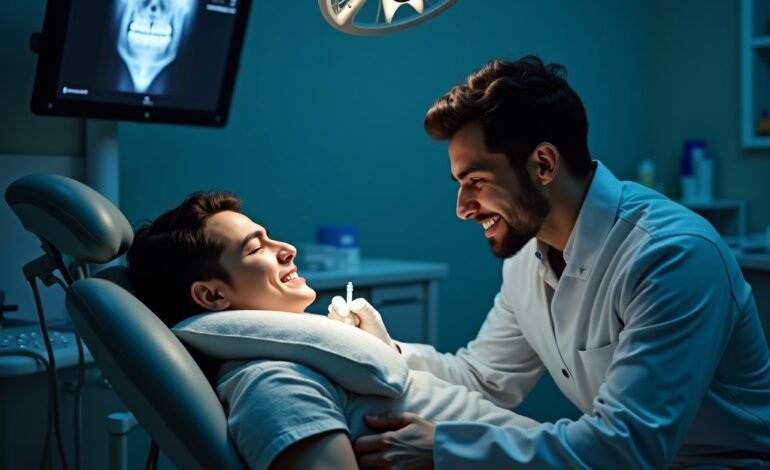
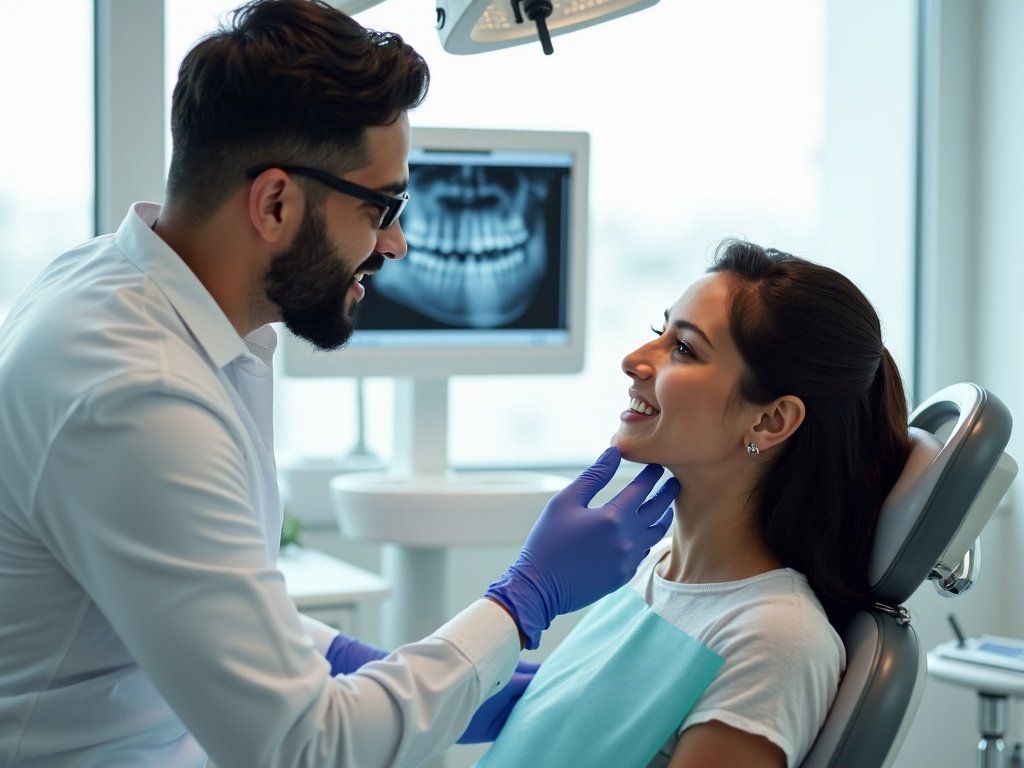
Yes, adults can absolutely get braces. There is no age limit for orthodontic treatment, and adults of any age can successfully achieve straighter teeth and improved oral health through various orthodontic options. Modern orthodontic treatments are designed to work effectively for adults, with many discreet options available that address the aesthetic and professional concerns many adults have about wearing braces.
The misconception that braces are only for teenagers stems from the fact that orthodontic treatment was traditionally recommended during adolescence when jaw development is most active. However, dental professionals now understand that healthy teeth can be moved at any age through proper orthodontic techniques. Adult orthodontics has become increasingly popular, with millions of adults worldwide choosing to improve their smiles later in life.
Why More Adults Are Choosing Orthodontic Treatment
The growing trend of adult orthodontics reflects several important factors that make treatment more accessible and appealing than ever before. Professional and social considerations play a significant role, as many adults recognize that a confident smile can positively impact their career prospects and personal relationships. The psychological benefits of feeling good about one’s appearance extend far beyond aesthetics, contributing to overall well-being and self-esteem.
Technological advancements have revolutionized orthodontic treatment options, making them far more discreet and comfortable than traditional metal braces. Clear aligners, ceramic braces, and lingual braces offer adults the opportunity to straighten their teeth without the obvious appearance of conventional braces. These innovations have removed many of the barriers that previously prevented adults from seeking orthodontic care.
Increased awareness of the oral health benefits of properly aligned teeth has also motivated more adults to pursue treatment. The World Health Organization emphasizes the importance of oral health as an integral part of overall health, and properly aligned teeth are easier to clean and maintain. This understanding has shifted orthodontics from being viewed as purely cosmetic to being recognized as a valuable health investment.
Types of Braces Available for Adults
- Traditional Metal Braces: The most effective option for complex cases, featuring metal brackets and wires that provide precise control over tooth movement. While more visible, they remain the gold standard for comprehensive orthodontic treatment.
- Ceramic Braces: Function like traditional braces but use tooth-colored or clear brackets that blend with natural teeth. They offer excellent results while being less noticeable than metal braces.
- Lingual Braces: Placed on the inside surface of teeth, making them completely invisible from the outside. These require specialized expertise and may initially affect speech but provide excellent aesthetic results.
- Clear Aligner Systems: Removable, transparent trays that gradually move teeth into position. They offer maximum discretion and convenience but may not be suitable for all orthodontic issues.
- Self-Ligating Braces: Use special clips instead of elastic bands, potentially reducing treatment time and requiring fewer adjustments. Available in both metal and ceramic options.
Benefits of Orthodontic Treatment for Adults
The advantages of adult orthodontic treatment extend well beyond achieving an attractive smile. Properly aligned teeth are significantly easier to clean, reducing the risk of tooth decay, gum disease, and periodontal problems. When teeth are crowded or misaligned, plaque and bacteria can accumulate in hard-to-reach areas, leading to oral health complications over time.
Correct bite alignment addresses functional issues that can cause jaw pain, headaches, and temporomandibular joint disorders. Many adults experience relief from chronic jaw discomfort after orthodontic treatment corrects their bite relationship. This improvement in function can enhance quality of life and reduce the need for ongoing pain management.
Speech improvements often occur when orthodontic treatment corrects significant spacing or alignment issues that affect pronunciation. The American Dental Association notes that proper tooth positioning can contribute to clearer speech patterns and improved communication confidence.
The psychological benefits of orthodontic treatment are substantial and well-documented. Adults who complete orthodontic treatment frequently report increased self-confidence, improved social interactions, and greater satisfaction with their appearance. These positive changes can have lasting effects on personal and professional relationships.
How Adult Teeth Movement Works
Adult orthodontic treatment works through the same biological process as treatment in younger patients, though some differences exist due to mature bone structure. When consistent, gentle pressure is applied to teeth through braces or aligners, the periodontal ligament surrounding the tooth root responds by triggering bone remodeling. This process allows teeth to gradually move through the jawbone into their new positions.
The bone remodeling process involves the breakdown of bone tissue on the pressure side of the tooth and the formation of new bone on the tension side. While this process occurs throughout life, it may proceed more slowly in adults due to increased bone density and maturity. However, this does not prevent successful treatment, it simply means that treatment timelines may be extended compared to younger patients.
Adult bone density variations can actually provide some advantages, as the final results tend to be more stable once treatment is completed. The mature bone structure provides a solid foundation for maintaining the new tooth positions, especially when proper retention protocols are followed after active treatment ends.
Factors Adults Should Consider Before Treatment
- Oral Health Status: Existing gum disease, tooth decay, or other dental conditions must be addressed before orthodontic treatment begins to ensure optimal outcomes and prevent complications.
- Treatment Duration: Adult orthodontic treatment typically ranges from 12 to 30 months, depending on the complexity of the case and the chosen treatment method.
- Lifestyle Adjustments: Treatment requires dietary modifications to avoid damaging braces and enhanced oral hygiene routines to maintain dental health throughout the process.
- Professional Considerations: Adults should consider how their chosen treatment option will affect their professional appearance and speaking requirements.
- Commitment Level: Successful treatment requires consistent wear of aligners, regular appointments, and diligent oral hygiene practices.
- Long-term Retention: Understanding that retainer wear is typically required indefinitely to maintain results is crucial for treatment success.
What to Expect During Adult Orthodontic Treatment
- Initial Consultation: Comprehensive examination including X-rays, photographs, and digital scans to assess orthodontic needs and determine the most appropriate treatment approach.
- Treatment Planning: Development of a customized treatment plan outlining the expected timeline, treatment method, and anticipated results based on individual needs.
- Appliance Placement: Installation of chosen orthodontic appliances with detailed instructions for care, maintenance, and what to expect during the initial adjustment period.
- Regular Adjustments: Scheduled appointments every 4-8 weeks for traditional braces or periodic monitoring for clear aligner treatment to track progress and make necessary modifications.
- Progress Monitoring: Ongoing assessment of tooth movement and treatment progression, with adjustments made as needed to ensure optimal results.
- Treatment Completion: Removal of active appliances and transition to the retention phase to maintain achieved results.
Maintaining Your Straight Smile After Treatment
Retention represents the most critical phase of orthodontic treatment, as teeth have a natural tendency to return to their original positions without proper support. All patients, regardless of age, must wear retainers to maintain their orthodontic results. The retention phase is considered a lifelong commitment, though the frequency of retainer wear may decrease over time.
Several types of retainers are available, including removable clear retainers, traditional wire retainers, and permanent bonded retainers placed behind the teeth. The choice of retainer type depends on individual needs, lifestyle preferences, and the specific orthodontic treatment completed. Many adults prefer clear, removable retainers for their discretion and ease of maintenance.
Long-term success requires understanding that teeth naturally shift throughout life due to various factors including aging, wisdom tooth eruption, and normal wear patterns. Regular dental checkups help monitor retention effectiveness and address any minor shifts before they become significant problems. Proper retainer care, including regular cleaning and safe storage, ensures the longevity of both the appliance and the treatment results.
Frequently Asked Questions
Is there an age limit for getting braces?
No, there is no upper age limit for orthodontic treatment. Adults of any age can benefit from braces as long as their teeth and gums are healthy. The key factors for successful treatment are adequate bone support and good oral health, not chronological age.
Do braces take longer for adults than teenagers?
Treatment time varies based on individual needs rather than age alone. Some adults may experience slightly longer treatment due to denser bone and slower cellular turnover, but modern orthodontic techniques work effectively for all ages. Complex cases may require more time regardless of the patient’s age.
Are invisible braces options effective for complex cases?
Clear aligners and lingual braces can address many alignment issues, but some complex cases may require traditional braces for optimal results. Severe rotations, significant vertical movements, and complex bite corrections often benefit from the precise control offered by conventional braces.
Will braces affect my professional appearance?
There are discreet options like ceramic braces, lingual braces, and clear aligners that are minimally visible. Many adults choose these options for professional settings, and colleagues often do not notice well-fitted clear aligners or ceramic braces during normal conversation.
Conclusion
Adults can successfully receive orthodontic treatment at any age, with numerous options available to suit different needs, lifestyles, and aesthetic preferences. The combination of improved technology, better understanding of adult orthodontics, and recognition of the health benefits has made treatment more accessible and effective than ever before. Whether choosing traditional braces, clear aligners, or other orthodontic options, adults can achieve significant improvements in both oral health and smile aesthetics.
The key to successful adult orthodontic treatment lies in realistic expectations, commitment to the treatment process, and understanding that retention is a lifelong responsibility. Dubai Dentist provides reliable educational content to help individuals make informed decisions about their oral health and understand the various treatment options available for achieving optimal dental wellness.