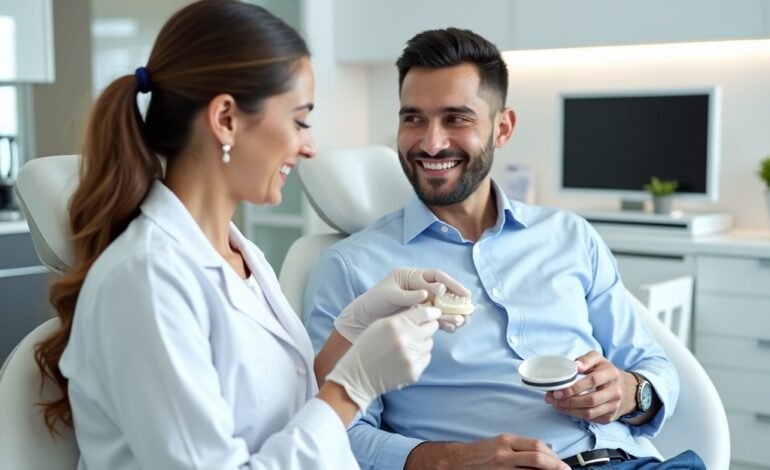
Best Teeth Whitening Treatments of 2026

Teeth whitening remains one of the most popular cosmetic dental treatments, with new technologies and methods continuously emerging to deliver better results. The landscape of whitening treatments in 2026 offers various options ranging from quick in-office procedures to convenient at-home solutions. Understanding these different approaches helps individuals make informed decisions about achieving a brighter smile. Results vary significantly based on individual factors including natural tooth color, stain type, and lifestyle habits, making it essential to understand what each treatment method can realistically deliver.
Professional In-Office Teeth Whitening Treatments
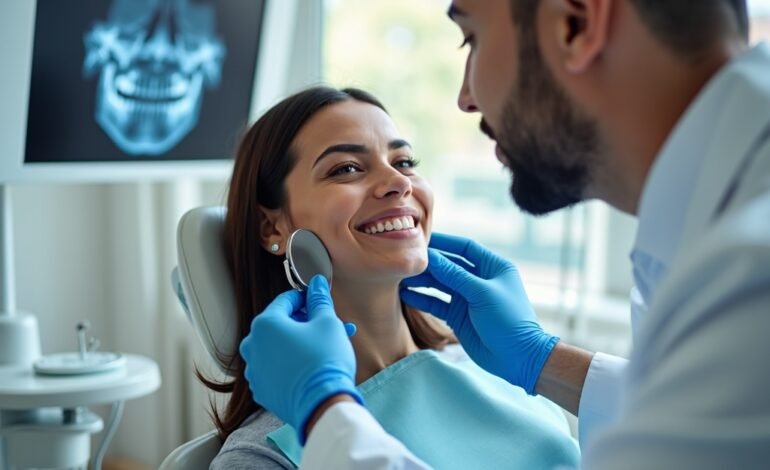
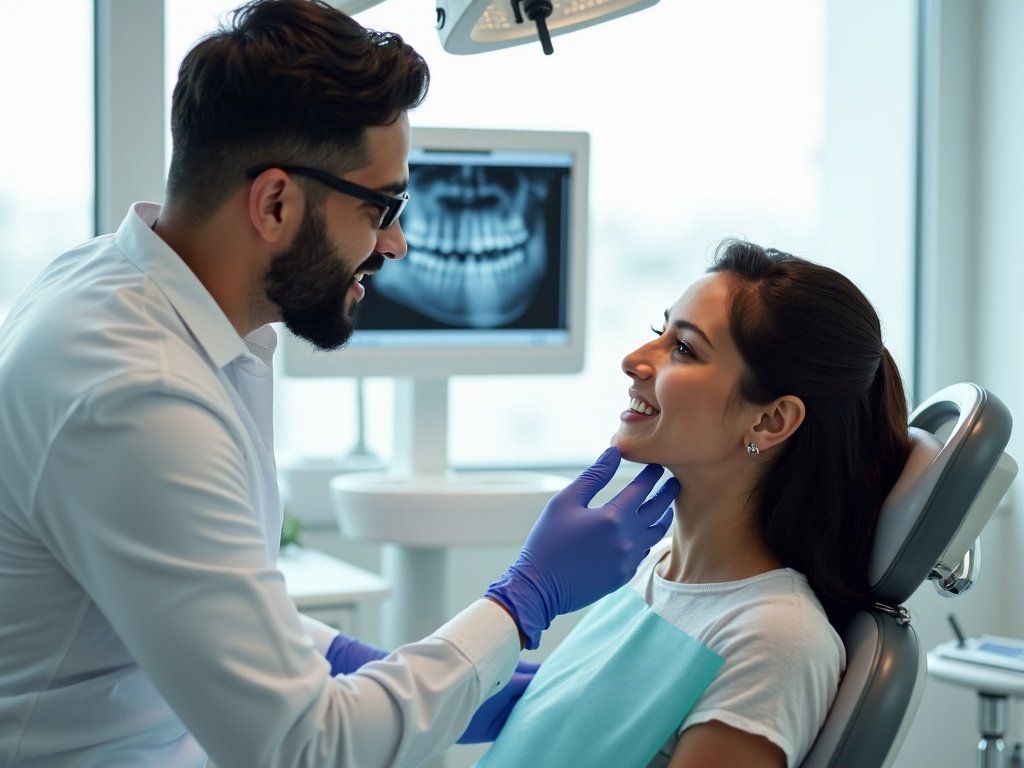
Professional in-office treatments deliver the most dramatic and immediate whitening results available. These procedures use high-concentration peroxide gels, typically ranging from 15% to 35% hydrogen peroxide, activated by specialized light systems or heat sources. Zoom whitening and laser-activated systems represent the most advanced technologies currently available, working by breaking down stain molecules deep within tooth enamel.
Most in-office treatments complete in a single 60 to 90-minute session, though some patients may benefit from multiple appointments for optimal results. The controlled environment allows dental professionals to protect gums and soft tissues while maximizing whitening effectiveness. Patients typically see immediate results of 3 to 8 shades lighter, with the full effect becoming apparent within 24 to 48 hours as teeth rehydrate.
Light-activated whitening systems use LED or plasma arc lights to accelerate the whitening process, reducing treatment time while maintaining effectiveness. These systems offer predictable results under professional supervision, minimizing risks and ensuring even whitening across all visible teeth.
At-Home Professional Whitening Systems
Dentist-prescribed at-home whitening systems bridge the gap between convenience and professional results. These systems feature custom-fitted trays created from dental impressions, ensuring precise fit and even gel distribution across tooth surfaces. The custom trays prevent gel leakage and minimize contact with gums, reducing sensitivity while maximizing whitening effectiveness.
Professional at-home systems typically use carbamide peroxide gels ranging from 10% to 22% concentration, worn for several hours daily or overnight for one to two weeks. The gradual whitening process often produces more comfortable results with less sensitivity compared to in-office treatments. Many patients prefer this approach for its flexibility and ability to control the pace of whitening.
Results from professional at-home systems typically appear within the first week of use, with optimal whitening achieved after completing the full treatment protocol. These systems often include maintenance gels for touch-up treatments, helping preserve results over time.
Over-the-Counter Whitening Products
Over-the-counter whitening products provide accessible options for those seeking modest whitening improvements without professional oversight. These products include whitening toothpastes, adhesive strips, paint-on gels, and mouth rinses, each offering different levels of convenience and effectiveness. Most OTC products contain lower peroxide concentrations, typically under 10%, requiring longer treatment periods for visible results.
Whitening strips represent the most popular OTC option, using thin plastic strips coated with peroxide gel that adhere to tooth surfaces. Treatment typically requires daily application for two to three weeks, with results appearing gradually over the treatment period. However, strips may not reach all tooth surfaces effectively, potentially creating uneven whitening patterns.
Whitening toothpastes work through mild abrasives and chemical agents that remove surface stains rather than changing intrinsic tooth color. These products require consistent long-term use and produce subtle improvements compared to peroxide-based treatments. OTC products generally take longer to show results and may not address deeper stains effectively.
Comparing Whitening Methods: What Works Best
Different whitening approaches offer distinct advantages depending on individual needs, timeline, and budget considerations. Understanding these differences helps determine the most suitable option for specific circumstances and expectations.
| Treatment Type | Results Timeline | Shade Improvement | Duration of Results | Sensitivity Risk |
|---|---|---|---|---|
| In-Office Professional | Immediate (1-2 hours) | 3-8 shades | 2-3 years | Moderate to high |
| At-Home Professional | 1-2 weeks | 2-6 shades | 1-2 years | Low to moderate |
| Over-the-Counter | 2-4 weeks | 1-3 shades | 3-6 months | Low |
Professional treatments consistently deliver more predictable and longer-lasting results due to higher peroxide concentrations and professional oversight. In-office procedures offer the fastest results but may cause temporary sensitivity. At-home professional systems provide a balanced approach with gradual, comfortable whitening. OTC products offer convenience and affordability but with limited effectiveness for significant stain removal.
What to Expect: Results and Longevity
Realistic expectations play a crucial role in whitening treatment satisfaction. Most professional treatments achieve 2 to 8 shades of improvement, measured using standardized dental shade guides. Individual results depend on starting tooth color, stain type, and enamel condition. Teeth naturally vary in color, and whitening cannot change the fundamental undertones of tooth enamel.
Professional whitening results typically last between one to three years, depending on lifestyle factors and maintenance practices. Coffee, tea, red wine, and tobacco use accelerate stain accumulation, requiring more frequent touch-up treatments. Regular dental cleanings and good oral hygiene help preserve whitening results longer.
Temporary tooth sensitivity represents the most common side effect, occurring in approximately 60% of patients during or immediately after treatment. This sensitivity usually resolves within 24 to 48 hours after treatment completion. Using desensitizing toothpaste before and after whitening can help minimize discomfort. Gum irritation may occur if whitening gel contacts soft tissues, emphasizing the importance of proper application techniques.
Maintenance typically involves periodic touch-up treatments using remaining gel or whitening products. Many dental practices recommend annual touch-ups to maintain optimal results, though frequency varies based on individual staining patterns and lifestyle factors.
Who Makes a Good Candidate for Teeth Whitening
Ideal whitening candidates have healthy teeth and gums with extrinsic stains caused by food, beverages, or tobacco use. These surface stains respond most effectively to peroxide-based whitening treatments. Patients with good oral hygiene and realistic expectations typically achieve the most satisfying results.
Certain individuals should avoid whitening treatments or seek alternative cosmetic options. Pregnant or nursing women should postpone whitening procedures as a precautionary measure. People with extensive dental restorations, including crowns, veneers, or large fillings in visible areas, may experience uneven results since these materials do not respond to whitening agents.
Patients with severe tooth sensitivity, active gum disease, or worn enamel require evaluation before beginning whitening treatment. Those with intrinsic stains from tetracycline antibiotics, fluorosis, or trauma may need alternative cosmetic treatments like veneers or bonding for optimal aesthetic improvement. A dental consultation helps determine individual suitability and recommend the most appropriate treatment approach.
Factors Affecting Whitening Results
Natural tooth color significantly influences whitening outcomes, with yellow-toned teeth typically responding better than gray or brown-tinted teeth. Enamel thickness and density also affect results, as thinner enamel may not achieve the same level of whitening as thicker, healthier enamel. Age-related changes in tooth structure can impact treatment effectiveness.
Stain type determines treatment success more than stain severity. Extrinsic stains from coffee, tea, wine, and smoking respond well to peroxide-based treatments. Intrinsic stains embedded within tooth structure, caused by medications, trauma, or developmental conditions, prove more resistant to conventional whitening methods. These deep stains may require multiple treatment sessions or alternative cosmetic approaches.
Existing dental work creates additional considerations since crowns, veneers, and fillings do not change color with whitening treatments. Patients with visible restorations may need replacement or refinishing after whitening to achieve uniform color matching. Consulting with a dental professional helps identify these factors and develop appropriate treatment plans for individual circumstances.
Frequently Asked Questions
How long do professional teeth whitening results last?
Professional whitening results typically last 1-3 years depending on lifestyle factors like diet, smoking, and oral hygiene practices. Regular maintenance and avoiding staining substances help preserve results longer.
Does teeth whitening damage tooth enamel?
When performed correctly using approved products, professional whitening is considered safe and does not damage enamel. Some temporary sensitivity may occur, but this resolves quickly after treatment completion.
Can whitening remove all types of stains?
Whitening works best on extrinsic stains from food, drinks, and smoking. Intrinsic stains from trauma, medications, or aging may require alternative cosmetic treatments like veneers or bonding for optimal results.
How much does professional teeth whitening cost?
Costs vary by location and treatment type. In-office treatments typically cost more than at-home professional systems, but results are more predictable with professional oversight and monitoring.
Conclusion
The teeth whitening landscape of 2026 offers diverse treatment options to suit different needs, timelines, and preferences. Professional in-office treatments deliver the fastest and most dramatic results, while at-home professional systems provide a balanced approach with gradual, comfortable whitening. Over-the-counter products offer accessibility but with limited effectiveness for significant stain removal. Understanding these differences, along with individual factors affecting treatment outcomes, helps make informed decisions about achieving a brighter smile. Dubai Dentist continues to provide reliable educational content to help individuals understand their dental treatment options and make confident decisions about their oral health and aesthetic goals.