What Is Oral Health and Why It Matters

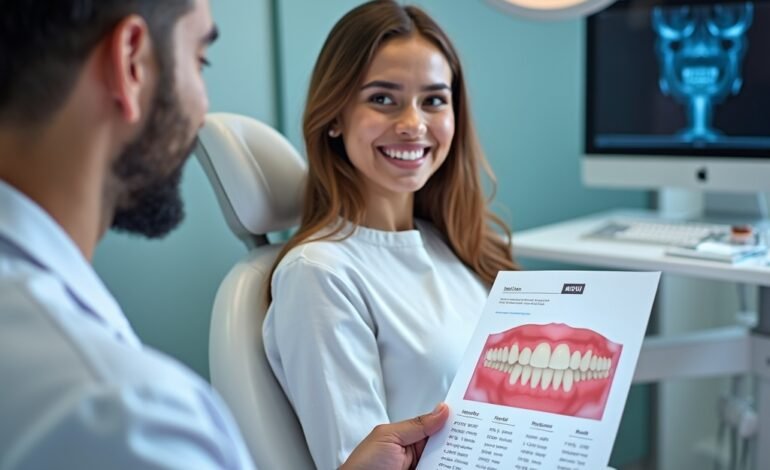
Oral health affects how you eat, speak, smile, and feel every day. It’s more than just having healthy teeth—it encompasses the entire mouth including gums, tongue, and oral tissues. According to the World Health Organization (WHO), oral health is defined as a state of being free from chronic mouth and facial pain, oral and throat cancer, oral sores, birth defects like cleft lip and palate, periodontal disease, tooth decay and tooth loss.
What Is Oral Health?
Oral health encompasses more than just healthy teeth. It includes healthy gums, oral mucosa, tongue, lips, and salivary functioning properly. Oral health involves the ability to speak, smile, smell, taste, touch, chew, swallow, and convey a range of emotions through facial expressions without pain, discomfort, and disease. Good oral health allows you to perform these essential functions while maintaining self-confidence and social wellbeing.
The Connection Between Oral Health and Overall Health
The mouth-body connection is well-established in medical research. Oral health directly impacts systemic health and vice versa. Research links oral health to various conditions including cardiovascular disease, diabetes, respiratory diseases, and pregnancy complications. Harmful bacteria from the mouth can travel to other parts of the body through the bloodstream, potentially causing inflammation and infection. The American Dental Association (ADA) and World Health Organization (WHO) both emphasize the importance of maintaining good oral health as part of overall health management.
Common Signs of Good and Poor Oral Health
- Signs of good oral health:
- Fresh breath
- Pink gums that don’t bleed when brushing or flossing
- No sensitivity to hot, cold, or sweet foods
- Clean teeth surfaces free of plaque and debris
- No pain when chewing or biting
- Strong teeth that don’t feel loose
- Signs of poor oral health:
- Chronic bad breath (halitosis)
- Bleeding, swollen, or red gums
- Tooth sensitivity or pain
- Loose teeth
- Sores in the mouth that don’t heal within two weeks
- Pain when chewing or swallowing
- Changes in how your teeth fit together when you bite
Early detection of these signs can prevent more serious oral health issues from developing.
Daily Habits for Maintaining Optimal Oral Health
- Proper brushing technique
Brush your teeth twice daily for two minutes each time using fluoride toothpaste. Use a soft-bristled brush and gentle circular motions. Angle the brush at 45 degrees toward the gumline to clean both teeth and gums effectively.
- Daily flossing
Floss at least once daily to remove plaque and food particles between teeth where brushes can’t reach. Use a gentle sawing motion and curve the floss around each tooth in a C-shape.
- Fluoride toothpaste
Use toothpaste containing fluoride, which strengthens tooth enamel and helps prevent cavities. The American Dental Association (ADA) recommends fluoride toothpaste for all age groups.
- Mouthwash use
Consider using an antimicrobial or fluoride mouthwash as part of your daily routine, but remember it’s not a substitute for brushing and flossing.
- Tongue cleaning
Clean your tongue daily either with your toothbrush or a tongue scraper to remove bacteria that cause bad breath and contribute to poor oral health.
- Stay hydrated
Drink plenty of water throughout the day to help produce saliva, which naturally cleanses the mouth and neutralizes acids produced by plaque bacteria.
Preventing Common Oral Health Issues
Dietary considerations
Maintain a balanced diet that limits sugary and acidic foods and beverages. These can erode enamel and feed harmful bacteria. Choose fruits, vegetables, dairy products, and plenty of water to support oral health.
Avoid tobacco products
Tobacco use increases the risk of gum disease, tooth loss, and oral cancer. If you use tobacco products, quitting is one of the best things you can do for your oral and overall health.
Regular dental check-ups
Visit your dentist regularly for professional cleanings and examinations, even when you have no symptoms. These visits help detect potential issues early before they become serious problems.
Protective measures
- Use protective mouthguards when participating in sports to prevent dental injuries
- Address teeth grinding (bruxism) with a nightguard if recommended by your dentist
- Replace toothbrushes every 3-4 months or sooner if bristles are frayed
Remember that preventive care is always better and less costly than treating developed dental problems.
Oral Health Through the Lifespan
Children and adolescents
Early childhood is crucial for developing proper oral hygiene habits. Parents should supervise brushing and flossing until children can effectively do it themselves. Regular dental visits should begin by the first birthday or when the first tooth appears.
Adults
Adults should focus on preventing gum disease, which becomes more common with age. Hormonal changes, stress, and certain medications can affect oral health. Consistent daily care and regular professional cleanings are essential.
Older adults
Older adults may face challenges like dry mouth, denture care, and increased sensitivity. Age-related changes can affect oral health, making regular dental visits even more important. Proper denture hygiene and addressing dry mouth can help maintain oral comfort and function.
Special populations
Pregnant women should be aware that hormonal changes can increase gum sensitivity and the risk of pregnancy gingivitis. People with diabetes need to be especially vigilant about oral health as they are at higher risk for gum disease. Those with compromised immune systems may require more frequent dental visits.
While oral health needs change throughout life, the foundation of care—consistent daily hygiene and professional supervision—remains consistent.
Oral Health in Dubai: Local Considerations
Dubai’s hot, dry climate can impact oral health in several ways. The heat may lead to dehydration, reducing saliva production and increasing the risk of dry mouth and related issues. Air conditioning can further contribute to dry indoor environments. Residents should be particularly mindful of staying hydrated to maintain adequate saliva flow.
Dubai offers excellent dental care facilities with international standards. The water supply in Dubai is fluoridated, which helps prevent tooth decay. Cultural considerations in Dubai may influence dental visits, with some residents preferring certain types of treatments or having specific expectations about care.
Common oral health issues in the region may be influenced by dietary habits, including increased consumption of sugary foods and beverages. The hot climate also makes staying hydrated a challenge, which is essential for maintaining good oral health. The Dubai Health Authority provides guidelines for oral health that align with international standards while considering local needs.
Frequently Asked Questions
How often should I visit a dentist for check-ups?
The general recommendation is to visit a dentist every 6 months for routine check-ups and cleanings. However, the frequency may vary based on individual oral health status. Some people with higher risk factors may need more frequent visits, while those with excellent oral health might need less. Regular check-ups help detect issues early before they become serious problems, potentially saving you discomfort, time, and money in the long run.
Can poor oral health really affect my overall health?
Yes, there are numerous research-backed connections between oral health and systemic conditions. Poor oral health has been linked to increased risk of heart disease, diabetes complications, respiratory infections, and even certain pregnancy outcomes. Harmful oral bacteria can enter the bloodstream through gum tissue and travel to other parts of the body, potentially causing inflammation and infection in other organs. Maintaining good oral health is an important component of overall health management.
What’s the most important habit for good oral health?
While all daily habits contribute to oral health, proper brushing technique and consistency are particularly important. How you brush—including angle, duration, and pressure—matters almost as much as frequency. Effective brushing removes plaque from all tooth surfaces. Additionally, flossing is crucial because it cleans areas between teeth where brushes cannot reach, preventing plaque buildup that can lead to cavities and gum disease.
Is there a difference between dental health and oral health?
Yes, there is a subtle but important difference. “Dental health” typically refers specifically to teeth and their condition, focusing on issues like cavities, alignment, and strength. “Oral health” encompasses the entire oral cavity including gums, tongue, salivary glands, and other soft tissues. Oral health is a broader concept that considers how these components work together to allow essential functions like eating, speaking, and maintaining overall wellbeing.
Conclusion
Oral health is an essential component of overall wellbeing that extends beyond having healthy teeth to include the entire mouth and its connection to the body. Maintaining healthy teeth and gums requires consistent daily care, regular professional check-ups, and attention to diet and lifestyle factors. The habits you establish today will impact your oral health for years to come, making prevention the most effective strategy for a lifetime of healthy smiles.
Dubai Dentist provides reliable educational content to help you understand and maintain optimal oral health at every stage of life. For more dental insights and practical tips, Dubai Dentist is your trusted source for evidence-based oral health information.