
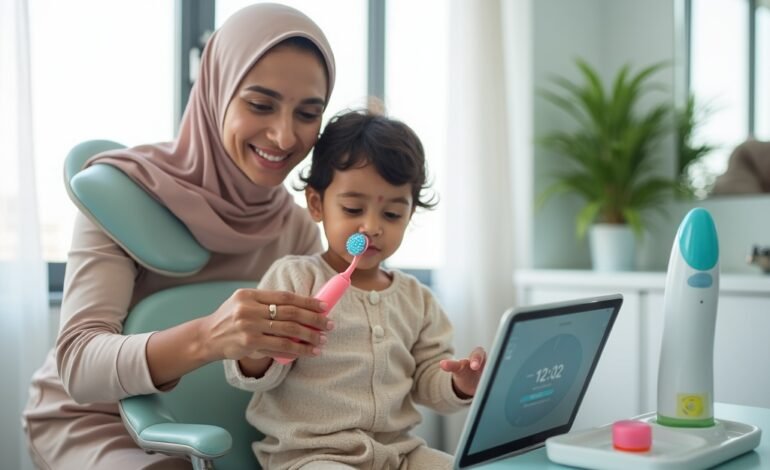
How to Get Kids to Brush Their Teeth

Establishing good dental habits in childhood is crucial for lifelong oral health. According to the World Health Organization, dental caries remains a major public health problem globally, with up to 90% of children affected by cavities in some countries. Getting children to brush their teeth consistently is a common challenge for parents worldwide. Resistance to brushing is normal and often stems from developmental factors rather than defiance. Fortunately, there are effective strategies to overcome this resistance and create positive associations with dental hygiene that will benefit your child for years to come.
Why Kids Resist Brushing Their Teeth
Children’s resistance to brushing their teeth often stems from developmental factors. Sensory sensitivities can make the taste, texture, or feeling of toothpaste and toothbrushes overwhelming. Many children experience a natural desire for control during their development, and brushing time can feel like an infringement on their independence.
Fear is another significant factor. The unfamiliar sensations, the sound of the toothbrush, or even a previous negative experience at the dentist can create anxiety. Young children may also lack understanding of why brushing is necessary, as they cannot see the immediate benefits or consequences of poor dental hygiene.
Child development experts note that resistance to routines like brushing is often part of normal behavior as children assert their independence. This typically peaks around ages 2-3 when toddlers are developing a sense of self and testing boundaries. Understanding these underlying causes can help parents approach the challenge with empathy rather than frustration.
Age-Appropriate Brushing Strategies
- For Toddlers (1-3 years): Start with a small, soft-bristled toothbrush and a smear of fluoride toothpaste. Brush their teeth yourself, allowing them to hold a secondary toothbrush. Use simple, clear language and make it a game. Keep brushing sessions short, around 30 seconds, and gradually increase duration as they become more comfortable.
- For Preschoolers (3-5 years): Introduce a pea-sized amount of fluoride toothpaste. Let them brush first on their own, then follow up with a thorough “parent check” brush. Use timers or brushing songs to ensure adequate brushing time (2 minutes). Explain the “why” behind brushing in simple terms like “brushing away sugar bugs.”
- For Early Elementary Children (6-8 years): Transition to allowing them to brush independently with supervision. Introduce flossing as part of the routine. Create a brushing chart to track consistency. Discuss the connection between brushing and preventing cavities, bad breath, and dental visits. Continue to monitor technique until they master proper brushing.
Making Brushing Fun and Engaging
- Use character-themed toothbrushes and toothpaste flavors they enjoy
- Create a brushing playlist with their favorite 2-minute songs
- Try brushing apps that gamify the experience with rewards and timers
- Brush together as a family to model good behavior
- Use a small mirror so they can see themselves brushing
- Let them choose between two toothbrush options to maintain a sense of control
- Read children’s books about dental hygiene to reinforce the importance
- Use a brushing chart with stickers for consistency
- Pretend to brush the teeth of stuffed animals before brushing their own
- Use a timer shaped like their favorite character or object
Proper Brushing Techniques for Kids
Effective brushing requires proper technique regardless of age. For children, the American Dental Association recommends using a soft-bristled toothbrush and fluoride toothpaste appropriate for their age. The brushing motion should be gentle, using small circular motions rather than vigorous scrubbing, which can damage gums and enamel.
Children should brush for at least two minutes, twice daily. To help them gauge time, use a timer or play a short song. Areas to focus on include the front, back, and chewing surfaces of all teeth. Many children miss the back teeth and along the gumline, so parents should pay special attention to these areas when assisting.
| Age Group | Amount of Toothpaste | Brushing Duration | Parental Involvement |
|---|---|---|---|
| Under 3 years | Smear (grain of rice size) | 30 seconds to 1 minute | Complete brushing by parent |
| 3-6 years | Pea-sized amount | 1-2 minutes | Child brushes first, parent finishes |
| 6+ years | Pea-sized amount | 2 minutes | Supervision until proper technique mastered |
Establishing Lifelong Dental Habits
Creating consistent routines is essential for establishing lifelong dental habits. Children learn by observation, so modeling good brushing behavior yourself is one of the most effective teaching tools. Brushing together as a family not only ensures everyone’s teeth get cleaned but also reinforces that dental hygiene is a normal, important part of daily life.
Positive reinforcement works better than punishment or criticism when building habits. Praise specific behaviors like “I noticed you brushed all your teeth today” rather than just “good job.” Avoid using food as a reward, as this can create unhealthy associations with eating and dental care. Instead, offer non-food rewards like extra reading time or choosing a family activity.
The transition from parent-assisted to independent brushing varies by child but typically begins around age 6-8. During this transition period, continue to supervise and check their work until you’re confident they’re brushing effectively. Remember that establishing good habits takes time and consistency, with research suggesting it takes an average of 66 days for a behavior to become automatic.
Dubai-Specific Considerations for Children’s Dental Care
Dubai’s unique environment presents specific considerations for children’s dental care. The water supply in Dubai is fluoridated, which helps prevent tooth decay, but parents should be aware that some residential areas may have varying levels. Using fluoridated toothpaste provides additional protection, especially for children who may not consume enough tap water.
Cultural factors also play a role in dental care practices. In many Dubai households, multiple generations living together can influence children’s attitudes toward dental hygiene. Leveraging family elders as role models who emphasize dental health can be particularly effective in establishing positive habits.
The hot Dubai climate affects children’s hydration and snacking patterns. Increased consumption of cold drinks and snacks can impact dental health, making consistent brushing even more important. Additionally, air conditioning can contribute to dry mouth, reducing saliva’s natural protective effects on teeth. Parents should encourage water consumption between meals to help maintain oral health.
Frequently Asked Questions
At what age should children start brushing their teeth independently?
Children typically begin transitioning to independent brushing around ages 6-8, though this varies by individual. Most children have the manual dexterity to brush effectively by age 6, but they still need supervision to ensure thorough cleaning and proper technique. Continue to check their brushing until you’re confident they’re reaching all areas and using the right amount of pressure.
How much toothpaste should I use for my child?
The amount of toothpaste depends on your child’s age. For children under 3 years, use a smear of fluoride toothpaste about the size of a grain of rice. For children between 3-6 years, use a pea-sized amount. If your child under 6 cannot spit effectively, consider using a non-fluoride training toothpaste initially, then transition to fluoride toothpaste as they learn to spit properly.
What should I do if my child still refuses to brush despite trying different strategies?
If your child consistently resists brushing despite multiple approaches, first ensure there are no underlying issues like sensory sensitivities or dental problems causing discomfort. Maintain consistency and patience, as it can take time for new routines to become established. Consider consulting with a pediatric dentist who can provide additional strategies and rule out any dental issues contributing to the resistance.
Are electric toothbrushes better for kids?
Electric toothbrushes can be effective for children, especially those who have difficulty with manual brushing techniques. The vibration and timers can make brushing more engaging and ensure adequate brushing time. However, both manual and electric toothbrushes can be effective when used properly. The best choice depends on your child’s preferences, dexterity, and willingness to use the toothbrush consistently.
Conclusion
Getting children to brush their teeth requires understanding, patience, and age-appropriate strategies. By recognizing why children resist brushing and implementing tailored approaches for different developmental stages, parents can transform this daily chore into a positive routine. Making brushing fun through games, songs, and positive reinforcement helps create lasting associations with dental hygiene that extend beyond childhood.
Consistency is key when establishing lifelong dental habits. The techniques and routines developed during childhood form the foundation for oral health that continues into adulthood. Dubai Dentist provides reliable educational content to support parents in navigating children’s dental care challenges and establishing healthy habits that last a lifetime.