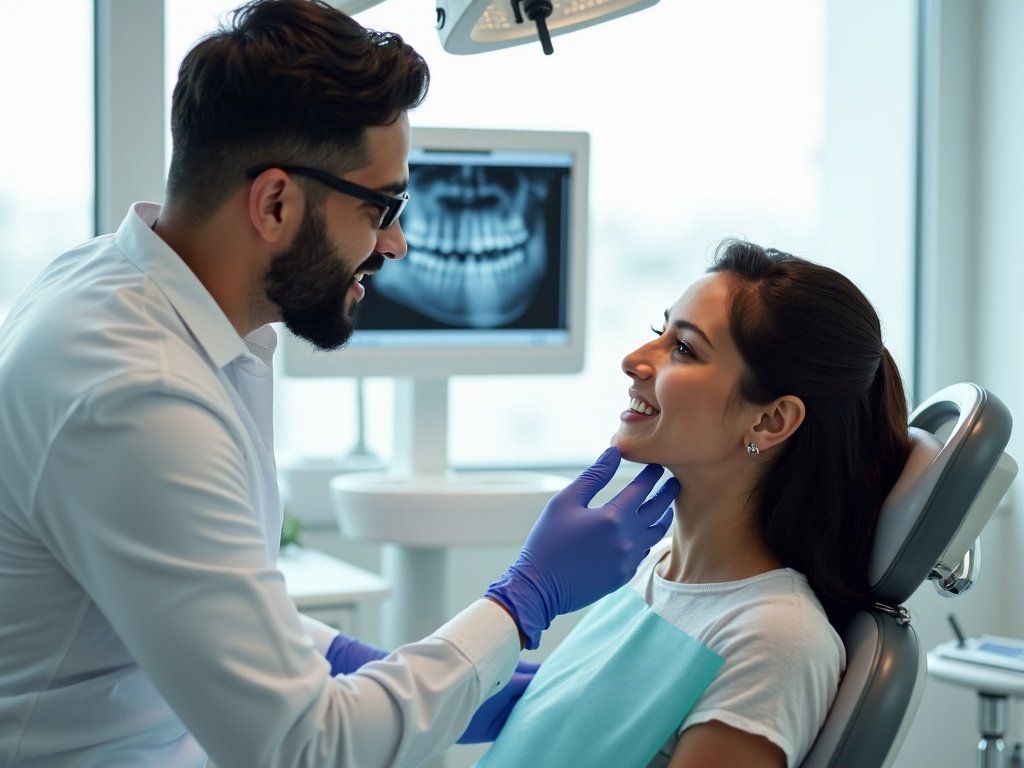

What Is Dental Contouring

Dental contouring is a conservative cosmetic dental procedure that involves subtle reshaping of teeth to improve appearance without major invasive treatment. Also known as teeth reshaping, enameloplasty, or odontoplasty, this method addresses minor imperfections by removing small amounts of enamel. This article explores what dental contouring is, who benefits from it, the procedure steps, comparisons with other cosmetic options, and important considerations for those considering this treatment.
What Is Dental Contouring?
Dental contouring is a cosmetic procedure that removes small amounts of enamel to change a tooth’s shape, length, or surface. This minimally invasive technique addresses minor cosmetic imperfections without the need for extensive dental work. Dentists use specialized hand instruments, lasers, or abrasive strips to precisely remove enamel, creating subtle improvements in tooth appearance.
The procedure focuses on conservative enamel removal, ensuring teeth maintain their structural integrity while achieving desired aesthetic results. Dental contouring is ideal for addressing small chips, uneven tooth edges, minor surface irregularities, or slightly pointed teeth. Unlike more extensive cosmetic treatments, contouring preserves most of the natural tooth structure while enhancing overall smile harmony.
Who Is an Ideal Candidate for Dental Contouring?
- Individuals with minor tooth imperfections such as small chips, rough edges, or uneven tooth length
- Patients with healthy teeth that have sufficient enamel to allow for safe removal
- People with good overall oral health and no active decay or gum disease
- Those seeking subtle improvements rather than dramatic smile transformations
- Individuals who want immediate results without multiple dental visits
- Patients with slightly pointed or sharp teeth that need reshaping
- People with minor alignment issues that can be addressed by surface adjustments
The Dental Contouring Procedure: Step by Step
- Examination and Planning: The dentist evaluates your teeth, discusses desired outcomes, and determines if contouring is appropriate. X-rays may be taken to ensure sufficient enamel thickness.
- Marking Teeth for Reshaping: The dentist marks specific areas of enamel that will be removed, ensuring precise and conservative adjustments.
- The Contouring Process: Using specialized tools, the dentist carefully removes small amounts of enamel. This may involve dental burs for coarse shaping and finer instruments for detailed work.
- Polishing: After reshaping, the teeth are polished to create smooth surfaces and natural transitions between reshaped and unchanged areas.
- Final Evaluation: The dentist assesses the results, ensuring symmetry and harmony with your overall smile. Additional adjustments can be made if needed.
The entire procedure typically takes 30 to 60 minutes and is usually completed in a single visit. Most patients experience no discomfort during the process, as only small amounts of enamel are removed, eliminating the need for anesthesia in most cases.
Dental Contouring vs Other Cosmetic Procedures
| Procedure | Invasiveness | Cost | Recovery Time | Best For |
|---|---|---|---|---|
| Dental Contouring | Minimal | Low to moderate | None | Minor surface imperfections |
| Dental Bonding | Minimal | Low to moderate | None | Small chips, gaps, discoloration |
| Veneers | Moderate | High | 1-2 weeks | |
| Crowns | High | Very high | 1-2 weeks | |
| Orthodontics | Variable | High to very high | Months to years |
Benefits and Limitations of Dental Contouring
- Benefits:
- Minimal enamel removal preserves natural tooth structure
- Quick procedure completed in a single visit
- More affordable than veneers or crowns
- Immediate visible results
- No recovery time needed
- Painless procedure for most patients
- Limitations:
- Not suitable for major dental issues
- Irreversible procedure as enamel doesn’t regenerate
- Potential for increased tooth sensitivity
- Limited ability to change tooth color
- Cannot address significant alignment problems
- Results may not be as dramatic as other treatments
Dental Contouring in Dubai: Considerations and Standards
Dubai maintains high standards in cosmetic dentistry, with procedures regulated by the Dubai Health Authority (DHA) to ensure patient safety and quality care. The city’s dental clinics often incorporate advanced technology such as digital imaging and precision instruments that enhance the accuracy of contouring procedures.
Dubai’s diverse population presents unique aesthetic considerations, with different cultural preferences for smile aesthetics. Qualified practitioners in Dubai understand these nuances and can provide contouring that aligns with various aesthetic standards while maintaining natural appearance.
When considering dental contouring in Dubai, it’s important to select a practitioner with appropriate qualifications and experience in cosmetic dentistry. The procedure should be performed by dentists who have received specific training in enameloplasty techniques and understand the importance of conservative treatment approaches.
Aftercare and Maintenance of Contoured Teeth
- Maintain excellent oral hygiene with regular brushing and flossing
- Use a soft-bristled toothbrush to avoid excessive abrasion
- Consider using toothpaste for sensitive teeth if needed
- Attend regular dental check-ups every six months
- Avoid chewing on hard objects like ice or pens
- Be mindful of foods and drinks that may cause staining
- Report any increased sensitivity to your dentist
- Protect teeth during sports with a mouthguard if necessary
Frequently Asked Questions
Is dental contouring painful?
Dental contouring typically doesn’t require anesthesia as only small amounts of enamel are removed. Some patients might experience minor sensitivity during or after the procedure, but it’s generally well-tolerated and causes minimal discomfort.
How long do the results of dental contouring last?
Dental contouring results are permanent since enamel doesn’t grow back. However, maintaining good oral hygiene and regular dental visits can help preserve the results for many years. The reshaped teeth will continue to function normally throughout your lifetime.
How much does dental contouring typically cost?
Costs vary based on the extent of work needed and geographic location. In Dubai, costs might be higher than in other regions. Generally, dental contouring is less expensive than veneers or crowns but more expensive than simple teeth whitening, with prices typically ranging from AED 500 to AED 2,000 per tooth.
Can dental contouring fix crooked teeth?
Dental contouring can only address minor alignment issues by reshaping the visible surfaces. For significant crookedness or bite issues, orthodontic treatment would be necessary. Contouring works best for subtle adjustments rather than major corrections.
Conclusion
Dental contouring represents a conservative cosmetic option for addressing minor dental imperfections such as small chips, uneven edges, or slightly pointed teeth. This minimally invasive procedure provides immediate results with minimal enamel removal, making it an attractive choice for patients seeking subtle improvements to their smile.
While dental contouring offers numerous benefits including affordability, convenience, and preservation of natural tooth structure, it’s important to recognize its limitations. The procedure is irreversible and cannot address significant aesthetic or functional concerns. For comprehensive information about cosmetic dentistry options in Dubai, Dubai Dentist provides reliable educational content to help patients make informed decisions about their dental care needs.