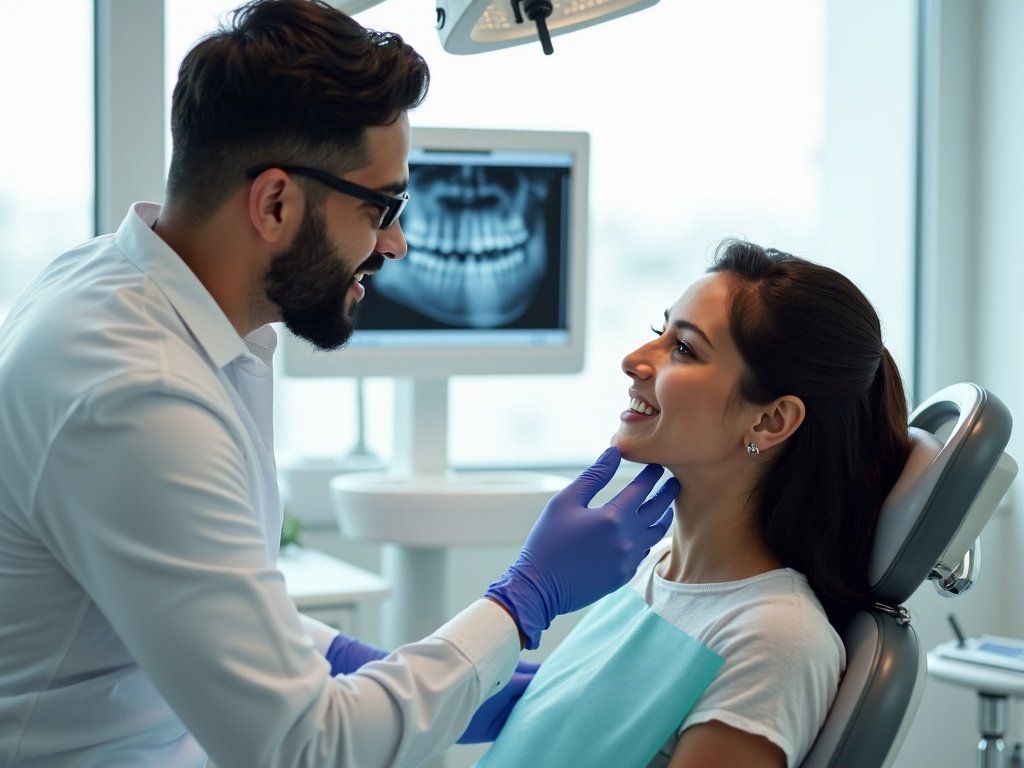

How to Choose a Cosmetic Dentist

Selecting the right cosmetic dentist is a crucial decision that significantly impacts the success and satisfaction of your aesthetic dental journey. Cosmetic dentistry focuses on enhancing the appearance of your teeth, gums, and smile through various specialized procedures. Unlike routine dental care, cosmetic treatments require specific artistic skills, advanced training, and experience to achieve natural-looking, beautiful results. Making an informed choice involves understanding what qualifications matter, knowing the right questions to ask, and recognizing potential red flags. This comprehensive guide provides the essential knowledge you need to confidently evaluate and select a cosmetic dentist who can deliver the smile transformation you envision.
What Does a Cosmetic Dentist Do?
Cosmetic dentistry encompasses a range of procedures designed to improve the aesthetic appearance of teeth, gums, and overall smile. This specialty focuses on enhancing color, shape, size, alignment, and overall smile harmony rather than primarily addressing oral health issues.
Common cosmetic dentistry procedures include teeth whitening to brighten discolored teeth, dental veneers to reshape and perfect tooth appearance, dental bonding to repair chips and gaps, gum contouring to improve gum line symmetry, and clear aligners like Invisalign to straighten teeth discreetly. Many cosmetic dentists also perform smile makeovers that combine multiple treatments for comprehensive aesthetic transformation.
While general dentists may offer some cosmetic services, cosmetic dentists typically pursue additional specialized training and continuing education focused specifically on aesthetic procedures. They develop expertise in color matching, facial aesthetics, smile design principles, and advanced techniques that create natural-looking, harmonious results.
Essential Qualifications and Credentials to Look For
- Doctor of Dental Surgery (DDS) or Doctor of Dental Medicine (DMD) degree from an accredited dental school
- Valid dental license in the jurisdiction where they practice
- Specialized training or certification in cosmetic dentistry procedures through recognized institutions
- Membership in professional organizations such as the American Academy of Cosmetic Dentistry (AACD) or equivalent international bodies
- Continuing education credits specifically in aesthetic dentistry and new techniques
- Fellowship or advanced certification in cosmetic dentistry from established organizations
- Experience with specific procedures you are considering, demonstrated through case studies or portfolios
- Up-to-date training in digital smile design and modern cosmetic dental technology
Key Questions to Ask Before Choosing a Cosmetic Dentist
- How many years of experience do you have performing the specific procedure I need?
- Can you show me before-and-after photos of patients with similar cases to mine?
- What specialized training do you have in cosmetic dentistry beyond dental school?
- What professional organizations are you a member of, and do you pursue continuing education?
- What realistic outcomes can I expect from my specific situation?
- How long will the results typically last, and what maintenance is required?
- What technology and materials do you use for this procedure?
- Can you provide references from previous patients who had similar treatments?
- What happens if I am not satisfied with the results?
- Do you offer a consultation where we can discuss my goals and treatment plan in detail?
Understanding Different Cosmetic Dentistry Procedures
Teeth whitening represents the most common cosmetic dental procedure, effectively removing stains and discoloration to brighten your smile. Professional whitening typically provides more dramatic and longer-lasting results compared to over-the-counter products.
Dental veneers are thin porcelain or composite shells that cover the front surface of teeth to correct shape, size, color, or alignment issues. Veneers can transform severely discolored, chipped, or irregularly shaped teeth into a uniform, beautiful smile.
- Dental bonding uses tooth-colored composite material to repair chips, fill gaps, or reshape teeth
- Gum contouring reshapes the gum line to create better symmetry and proportion
- Clear aligners like Invisalign gradually straighten teeth using nearly invisible plastic trays
- Dental crowns restore severely damaged teeth while improving their appearance
Each procedure addresses different aesthetic concerns and requires specific expertise. Understanding what each treatment accomplishes helps you communicate your goals clearly and evaluate whether a dentist has appropriate experience with your desired procedure.
Red Flags to Watch For When Selecting a Cosmetic Dentist
- Promises unrealistic results or guarantees perfect outcomes
- Pressures you to commit to treatment immediately without adequate consultation time
- Cannot provide before-and-after photos of their actual work
- Offers prices that seem significantly below market rates without clear explanation
- Does not perform thorough examination or discuss your medical history
- Lacks proper credentials or avoids questions about their qualifications
- Uses high-pressure sales tactics or creates artificial urgency
- Does not explain risks, limitations, or alternative treatment options
- Has consistently negative reviews or unresolved patient complaints
- Cannot clearly explain their treatment process or expected timeline
What to Consider: Comparing Cosmetic Dentistry Options
When evaluating different cosmetic dentists, consider their approach to consultation and treatment planning. A qualified cosmetic dentist should perform comprehensive examination, discuss your goals thoroughly, and present treatment options with realistic expectations. They should explain how different procedures work, what results you can expect, and provide clear timelines.
Communication style matters significantly in cosmetic dentistry. Your dentist should listen to your concerns, explain procedures clearly, and make you feel comfortable asking questions. They should respect your input while providing professional guidance based on their expertise and your specific situation.
Technology and materials used can impact both the treatment experience and final results. Modern cosmetic dentists often use digital smile design software, advanced imaging, and high-quality materials that provide better aesthetics and longevity. Ask about the specific products and techniques they use for your desired procedure.
Experience with your specific procedure is crucial. A dentist who performs many veneer cases may not have the same expertise with Invisalign treatment, and vice versa. Focus on finding someone with substantial experience in the exact procedure you need rather than general cosmetic dentistry experience.
Cosmetic Dentistry Considerations in Dubai
Dubai’s cosmetic dentistry landscape includes both local practitioners and international dental tourism opportunities. All dental practitioners in Dubai must hold valid DHA (Dubai Health Authority) licenses, which requires meeting specific educational and professional standards. When evaluating cosmetic dentists in Dubai, verify their DHA registration and ensure they maintain current licensing.
Many Dubai dental clinics serve international patients and may offer comprehensive treatment packages. If you are considering dental tourism or traveling for treatment, factor in follow-up care requirements and ensure the dentist can provide adequate post-treatment support. Some cosmetic procedures require multiple visits or adjustments that may be challenging if you live far from the treatment location.
Dubai’s multicultural environment means you can often find cosmetic dentists who speak various languages and understand different cultural preferences for smile aesthetics. This can be particularly important for cosmetic procedures where communication about desired outcomes is crucial for satisfaction.
Frequently Asked Questions
How long does cosmetic dentistry last?
The longevity of cosmetic dental work varies significantly by procedure and maintenance. Teeth whitening typically lasts 1-3 years depending on lifestyle factors like coffee, wine, or smoking habits. Dental veneers can last 10-15 years or longer with proper care and regular dental maintenance. Dental bonding usually requires replacement every 3-7 years. Clear aligners provide permanent results if retainers are worn as directed. The key to maximizing longevity is maintaining excellent oral hygiene, avoiding habits that damage teeth, and following your dentist’s care recommendations.
Is cosmetic dentistry covered by insurance?
Most cosmetic dental procedures are considered elective treatments and are typically not covered by standard dental insurance plans. However, some procedures may qualify for partial coverage if they provide functional benefits in addition to aesthetic improvement. For example, crowns that restore damaged teeth or orthodontic treatment that corrects bite issues may receive some insurance coverage. Review your specific insurance policy and discuss coverage options with both your insurance provider and dental office before beginning treatment.
What is the difference between a general dentist and a cosmetic dentist?
Both general dentists and cosmetic dentists complete the same basic dental education and earn either a DDS or DMD degree. The primary difference lies in additional specialized training and focus areas. Cosmetic dentists pursue extra education specifically in aesthetic procedures, smile design principles, and advanced techniques for improving tooth appearance. While general dentists focus primarily on oral health prevention, diagnosis, and treatment of dental diseases, cosmetic dentists specialize in procedures that enhance smile aesthetics and may have more extensive experience with complex aesthetic cases.
How do I know if a cosmetic dentist is properly qualified?
Verify a cosmetic dentist’s qualifications by checking their dental license through the appropriate regulatory body, confirming their graduation from an accredited dental school, and reviewing any specialized training certificates in cosmetic dentistry. Look for memberships in professional organizations like the American Academy of Cosmetic Dentistry or international equivalents. Ask to see before-and-after photos of their actual work, particularly cases similar to yours. A properly qualified cosmetic dentist should willingly discuss their credentials, training, and experience with specific procedures you are considering.
Conclusion
Choosing the right cosmetic dentist requires careful evaluation of qualifications, experience, and communication approach. The most important factors include verified credentials and specialized training, substantial experience with your specific procedure, and a consultation approach that thoroughly addresses your goals and concerns. By asking the right questions, recognizing potential red flags, and understanding what different procedures accomplish, you can make an informed decision that leads to satisfying aesthetic results.
Remember that the cheapest option is rarely the best choice for cosmetic dentistry, where skill and experience significantly impact both the appearance and longevity of results. Take time to research potential providers thoroughly, request consultations with multiple dentists if needed, and choose based on qualifications and comfort level rather than price alone. Dubai Dentist provides comprehensive educational resources to help you understand various cosmetic dental procedures and make informed decisions about your oral health and smile enhancement journey.