How to Care for Teeth With a Permanent Retainer

A permanent retainer is a thin wire bonded to the back of your teeth, typically placed after orthodontic treatment to maintain proper tooth alignment. Unlike removable retainers that you take out for eating and cleaning, permanent retainers stay in place continuously and require specialized care techniques to maintain both the appliance and your oral health. This comprehensive guide provides evidence-based care methods to help you protect your orthodontic investment while keeping your teeth and gums healthy.
Proper care of permanent retainers is essential because inadequate cleaning can lead to plaque buildup, gum disease, tooth decay, and potential retainer damage. The American Dental Association emphasizes that orthodontic retention requires lifelong commitment, making it crucial to establish effective daily care routines from the beginning.
What Is a Permanent Retainer and Why Does It Need Special Care
A permanent retainer consists of a thin, custom-fitted wire that orthodontists bond to the lingual (tongue-side) surface of teeth, most commonly the lower front teeth. This fixed appliance maintains tooth positions achieved through orthodontic treatment, preventing natural tooth movement that occurs over time. The wire creates small spaces and surfaces that regular brushing and flossing cannot easily reach.
The bonded design that makes permanent retainers effective also creates unique cleaning challenges. Food particles and bacteria can accumulate around the wire and bonding material, leading to plaque formation in hard-to-reach areas. Without proper cleaning techniques, this environment becomes ideal for bacterial growth, potentially causing gum inflammation, tooth decay, and bad breath.
The World Health Organization recognizes orthodontic retention as an integral part of comprehensive dental treatment, noting that inadequate retention care can compromise long-term treatment success. Understanding these challenges helps you develop appropriate care strategies to maintain both your retainer and oral health effectively.
Daily Cleaning Techniques for Permanent Retainers
- Use a soft-bristled toothbrush held at a 45-degree angle to clean around and under the retainer wire, ensuring bristles reach all surfaces
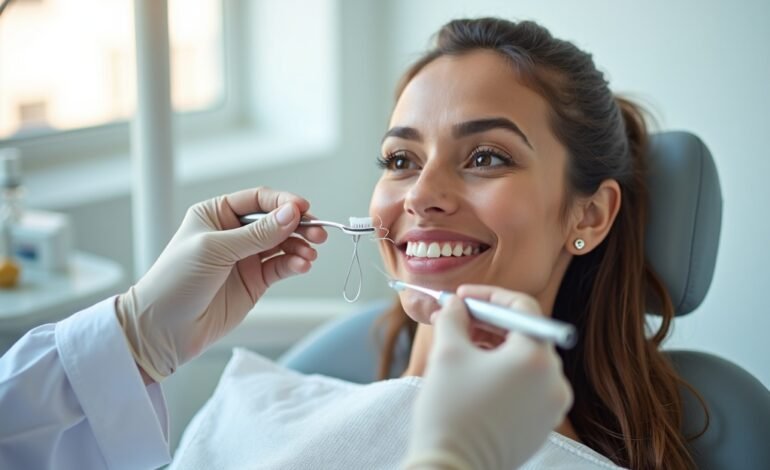
- Thread dental floss under the retainer wire using a floss threader or specialized orthodontic floss with stiff ends
- Pull floss through each space between teeth bonded to the retainer, moving gently up and down against tooth surfaces
- Consider water flossers with orthodontic tips to flush out debris from around the retainer wire and bonding points
- Use interdental brushes sized appropriately for the spaces around your retainer to remove stubborn plaque
- Rinse with antimicrobial mouthwash after brushing and flossing to reduce bacterial load in hard-to-clean areas
- Spend extra time cleaning the retainer area during your evening routine when you have more time for thorough care
Common Problems With Permanent Retainers
- Wire detachment from one or more teeth, often caused by hard foods or trauma to the mouth area
- Bond failure where the adhesive material loosens, creating sharp edges or allowing wire movement
- Excessive plaque accumulation around the retainer due to inadequate cleaning techniques or frequency
- Tartar buildup that hardens around the wire and requires professional removal during dental cleanings
- Gum irritation and inflammation caused by bacterial buildup or mechanical irritation from loose wires
- Wire bending or distortion that can occur from pressure during eating or grinding habits
- Complete wire breakage that compromises the retainer’s ability to maintain tooth positions
- Food impaction in areas around the retainer that becomes difficult to remove with regular brushing
Signs Your Permanent Retainer Needs Attention
- Visible movement or looseness of the retainer wire when you touch it with your tongue
- Sharp or poking sensations from the retainer that weren’t present before
- Persistent bad breath despite maintaining good oral hygiene practices
- Red, swollen, or bleeding gums specifically around the retainer area
- White or yellow buildup on the retainer wire that doesn’t remove with normal brushing
- Changes in how your teeth feel when biting together or gaps appearing between previously aligned teeth
- Increased sensitivity in teeth connected to the permanent retainer
- Difficulty flossing in areas where the retainer wire has shifted position
Foods and Habits to Avoid With a Permanent Retainer
- Hard foods like ice cubes, hard candies, nuts, and crusty bread that can bend or break the retainer wire
- Sticky foods such as caramels, taffy, and gummy candies that can pull on the bonding material
- Chewing on non-food items like pens, pencils, or fingernails that place unnecessary stress on the retainer
- Using teeth as tools to open packages, bottles, or tear tape, which can damage both teeth and retainer
- Grinding or clenching teeth, especially during sleep, which can bend or break the retainer wire
- Biting directly into hard fruits and vegetables without cutting them into smaller pieces first
- Consuming excessive amounts of acidic foods and drinks that can weaken bonding materials over time
- Playing contact sports without proper mouth protection that could impact the retainer area
Long-Term Maintenance and Monitoring
Permanent retainers require ongoing professional monitoring to ensure they remain effective and don’t cause oral health problems. Regular dental check-ups allow your dental care provider to assess the retainer’s condition, check for signs of wear or damage, and perform professional cleaning around the appliance. These visits typically occur every six months but may need to be more frequent if you experience recurring issues.
Over time, even well-maintained permanent retainers may require repair or replacement. Factors such as normal wear, changes in your bite, or accidental damage can affect the retainer’s function. The bonding material may weaken after several years, or the wire itself may fatigue from constant use. Understanding that permanent retainers aren’t truly permanent helps set realistic expectations for long-term orthodontic retention.
Professional cleanings become especially important with permanent retainers because tartar can accumulate in areas that are difficult to clean at home. Dental hygienists have specialized instruments designed to clean around orthodontic appliances safely and effectively, removing buildup that could otherwise lead to gum disease or tooth decay.
Understanding Retention: Protecting Your Orthodontic Investment
Orthodontic retention represents a lifelong commitment to maintaining the results achieved through treatment. Teeth naturally tend to shift throughout life due to factors such as aging, changes in jaw structure, and normal oral function. Permanent retainers serve as a continuous force to counteract these natural tendencies and preserve your aligned smile.
The consequences of retainer failure extend beyond aesthetic concerns. When teeth shift from their corrected positions, functional problems may develop, including changes in bite relationship, increased wear on certain teeth, and potential jaw joint issues. Additionally, significant tooth movement might require retreatment to restore proper alignment, representing both time and financial costs.
Viewing permanent retainer care as an investment in your long-term oral health helps motivate consistent daily maintenance. The time spent on specialized cleaning techniques and the attention paid to potential problems ultimately protects the significant investment made in orthodontic treatment while contributing to overall oral health.
Frequently Asked Questions
How long do permanent retainers last?
Permanent retainers can last anywhere from 5 to 20 years or more with proper care, though their lifespan varies significantly based on individual factors. Your oral hygiene practices, dietary choices, grinding habits, and the specific materials used in your retainer all influence its longevity. Some people may need repairs or replacements sooner due to wire fatigue or bonding failure, while others maintain their retainers for decades without major issues.
Can I floss normally with a permanent retainer?
Normal flossing techniques don’t work with permanent retainers because the wire blocks direct access between teeth. You need to thread floss under the retainer wire using floss threaders, use specialized orthodontic floss with stiff ends, or employ water flossers with orthodontic tips. Interdental brushes can also effectively clean around the retainer wire where traditional floss cannot reach.
What happens if my permanent retainer breaks?
A broken or loose permanent retainer requires prompt evaluation by a dental professional to prevent tooth movement and determine appropriate repair options. Even short periods without proper retention can allow teeth to begin shifting, potentially compromising your orthodontic results. The dental team can assess whether the retainer can be repaired or needs complete replacement based on the extent of damage.
Will my permanent retainer cause cavities?
Permanent retainers themselves don’t cause cavities, but they can create areas where plaque accumulates more easily if not cleaned properly. With consistent and thorough cleaning techniques, you can maintain excellent oral health with a permanent retainer. However, inadequate cleaning around the retainer can lead to plaque buildup, which increases the risk of tooth decay and gum disease in those areas.
Conclusion
Caring for teeth with a permanent retainer requires specialized techniques and consistent daily attention, but the effort protects both your orthodontic investment and long-term oral health. The key principles include mastering appropriate cleaning methods, recognizing signs of potential problems early, avoiding foods and habits that could damage the appliance, and maintaining regular professional monitoring. Success with permanent retainer care comes from understanding that these appliances require lifelong commitment and adapting your oral hygiene routine accordingly.
Dubai Dentist provides comprehensive educational resources to help patients navigate various aspects of dental care, including orthodontic retention and specialized appliance maintenance. By staying informed about proper care techniques and maintaining open communication with your dental care team, you can enjoy the benefits of your permanent retainer for many years while preserving your healthy, aligned smile.