
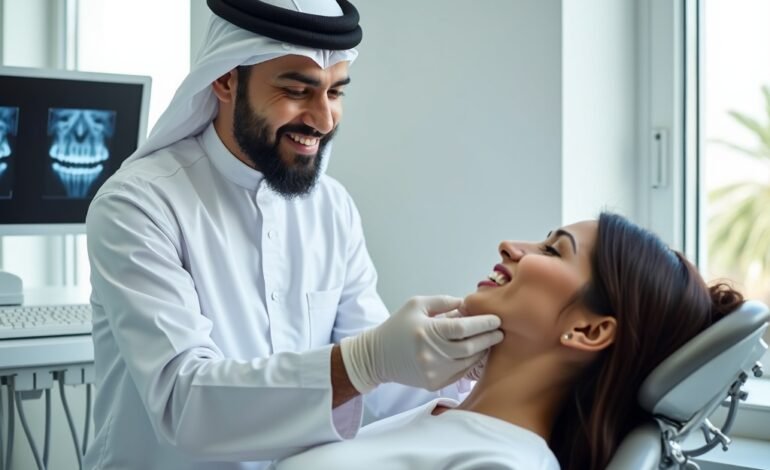
What Is Bruxism and What Damage Does It Cause

Bruxism is a common dental condition involving the involuntary grinding or clenching of teeth, often occurring during sleep or periods of stress. This condition affects millions of people worldwide and can lead to significant dental damage if left untreated. Understanding bruxism, its causes, symptoms, and the potential harm it can cause to your oral health is essential for maintaining healthy teeth and jaw function throughout your life.
What Is Bruxism?
Bruxism is the medical term for the involuntary grinding, gnashing, or clenching of teeth. This condition occurs when the muscles of mastication contract forcefully, causing the upper and lower teeth to come into contact with excessive pressure. According to the American Dental Association, bruxism affects approximately 8 to 31 percent of the general population, making it one of the most prevalent oral health conditions.
There are two primary types of bruxism: sleep bruxism and awake bruxism. Sleep bruxism occurs during sleep and is considered a sleep-related movement disorder, often associated with brief awakenings during the night. Awake bruxism, also known as diurnal bruxism, happens during waking hours and is typically linked to stress, anxiety, or concentration.
The condition can affect people of all ages, from young children to older adults. Many individuals with bruxism remain unaware of their habit until symptoms develop or a dental professional identifies signs of tooth wear during routine examinations.
Causes and Risk Factors of Bruxism
The exact cause of bruxism remains unclear, but research identifies several contributing factors that increase the likelihood of developing this condition. Stress and anxiety represent the most significant risk factors, as emotional tension often manifests through involuntary muscle contractions in the jaw area.
Sleep disorders, including sleep apnea, snoring, and other breathing-related sleep disruptions, frequently coincide with bruxism episodes. The brain’s attempt to reopen airways during sleep may trigger jaw muscle activity, leading to teeth grinding or clenching.
Dental factors also contribute to bruxism development. Malocclusion, or improper alignment of teeth, can create an unstable bite that the jaw muscles attempt to correct through grinding movements. Missing teeth, poorly fitted dental restorations, or significant changes in dental structure may similarly trigger bruxism behaviors.
Certain medications, particularly antidepressants and stimulants, have been linked to increased bruxism risk. Lifestyle factors such as excessive caffeine consumption, alcohol use, and tobacco smoking may also contribute to the development or worsening of teeth grinding habits.
Signs and Symptoms of Teeth Grinding
- Persistent jaw pain or soreness, especially upon waking
- Frequent headaches, particularly in the temple areas
- Worn, flattened, or chipped teeth surfaces
- Increased tooth sensitivity to temperature or pressure
- Tired or tight jaw muscles
- Disrupted sleep patterns or partner reports of grinding sounds
- Pain or clicking in the temporomandibular joint (TMJ)
- Indentations on the tongue or inside cheek tissues
- Ear pain without apparent ear problems
- Neck and shoulder muscle tension
What Damage Does Bruxism Cause?
Bruxism can cause extensive and progressive damage to your oral health structures. The excessive force generated during teeth grinding often exceeds normal chewing pressures by several times, placing extraordinary stress on teeth, jaw joints, and surrounding tissues.
Tooth wear represents the most visible consequence of chronic bruxism. The constant grinding action wears away protective tooth enamel, leading to flattened biting surfaces, shortened teeth, and exposed dentin layers. This enamel loss is irreversible and can result in increased tooth sensitivity, discoloration, and heightened risk of decay.
Dental fractures and chips frequently occur due to the repetitive stress placed on tooth structures. These fractures may range from minor chips in tooth edges to significant cracks that extend deep into the tooth, potentially requiring extensive dental treatment or tooth extraction in severe cases.
Temporomandibular joint disorders (TMJ) commonly develop as a result of chronic bruxism. The excessive muscle activity and joint stress can lead to joint inflammation, limited jaw opening, clicking or popping sounds during jaw movement, and chronic pain that may radiate to the ears, neck, and shoulders.
Gum recession may occur due to the excessive forces applied to teeth during grinding episodes. This recession exposes tooth roots, increases sensitivity, and creates areas where bacteria can more easily accumulate, leading to potential gum disease development.
Treatment Options for Bruxism
Managing bruxism typically involves a comprehensive approach that addresses both the symptoms and underlying causes. Treatment plans vary based on the severity of the condition, identified triggers, and individual patient needs.
Oral appliances, commonly known as night guards or splints, represent the most frequently prescribed treatment for sleep bruxism. These custom-fitted devices create a protective barrier between upper and lower teeth, preventing direct contact and reducing the impact of grinding forces on tooth structures.
- Custom night guards fabricated by dental professionals for optimal fit and protection
- Over-the-counter guards for temporary or mild cases
- Repositioning splints that help establish proper jaw alignment
Stress management techniques prove essential for addressing bruxism triggered by anxiety or emotional tension. Relaxation methods, meditation, cognitive behavioral therapy, and stress reduction counseling can help reduce the frequency and intensity of grinding episodes.
Dental corrections may be necessary when malocclusion or structural dental problems contribute to bruxism. These treatments might include orthodontic work, crown adjustments, or restoration replacements to establish proper bite alignment.
In certain cases, healthcare providers may consider medication options, particularly when bruxism is linked to underlying conditions such as sleep disorders or anxiety. However, medication use requires careful evaluation of benefits and potential side effects.
Preventing Teeth Grinding
- Implement regular stress reduction activities such as exercise, yoga, or meditation
- Limit caffeine intake, especially in the evening hours
- Avoid alcohol consumption, particularly before bedtime
- Establish consistent sleep hygiene practices with regular sleep schedules
- Create a relaxing bedtime routine to promote quality sleep
- Avoid chewing on non-food items like pens, pencils, or fingernails
- Practice jaw relaxation exercises throughout the day
- Schedule regular dental checkups for early detection of grinding signs
- Address underlying sleep disorders that may contribute to bruxism
- Maintain proper posture to reduce neck and jaw tension
Understanding Bruxism Care in Dubai
Dubai’s healthcare system provides comprehensive dental care services for bruxism management, with dental professionals following Dubai Health Authority (DHA) guidelines for diagnosis and treatment protocols. The emirate’s diverse population of residents and expatriates can access various treatment options through both government and private dental facilities.
Dental professionals in Dubai typically approach bruxism care through systematic evaluation processes that include clinical examinations, patient history assessments, and sometimes sleep studies for complex cases. The DHA emphasizes evidence-based treatment approaches that prioritize patient safety and long-term oral health outcomes.
Dubai residents can expect thorough diagnostic procedures that may include digital imaging, bite analysis, and TMJ evaluation to determine the extent of bruxism-related damage. Treatment recommendations generally follow international standards while considering individual patient needs, lifestyle factors, and cultural preferences common in the UAE’s multicultural environment.
The cost of bruxism treatment in Dubai varies depending on the chosen approach, with basic night guards being more affordable than comprehensive treatment plans involving multiple dental procedures. Many dental insurance plans available to Dubai residents provide coverage for bruxism-related treatments, particularly when prescribed for documented medical necessity.
Frequently Asked Questions
Can bruxism be cured completely?
Bruxism management varies significantly among individuals. Some people experience complete resolution through lifestyle changes, stress management, or treating underlying conditions like sleep apnea. However, many cases require ongoing management strategies such as night guard use and regular monitoring. The condition can be effectively controlled in most cases, even if not permanently cured.
How do I know if I have bruxism?
Common signs include waking up with jaw pain, frequent headaches, worn or flattened teeth, and tooth sensitivity. Your sleeping partner might report grinding sounds during the night. A dental professional can confirm bruxism by examining your teeth for wear patterns, assessing jaw muscle tenderness, and evaluating your bite alignment during a clinical examination.
Is bruxism dangerous for my teeth?
Yes, untreated bruxism can cause significant dental damage including tooth wear, fractures, enamel loss, and increased sensitivity. It may also lead to TMJ disorders, chronic jaw pain, and gum recession. The earlier bruxism is identified and managed, the better the chances of preventing irreversible damage to your teeth and jaw structures.
Do mouthguards really help with teeth grinding?
Mouthguards effectively protect teeth from grinding damage by creating a barrier between upper and lower teeth. While they do not stop the grinding behavior itself, they significantly reduce the harmful effects on tooth structures. Custom-fitted guards from dental professionals typically provide better protection and comfort compared to over-the-counter options.
Conclusion
Bruxism is a manageable dental condition that requires understanding, early recognition, and appropriate intervention to prevent long-term oral health complications. The damage caused by chronic teeth grinding can be extensive, affecting tooth structure, jaw function, and overall quality of life. However, with proper identification and treatment strategies, individuals can effectively protect their oral health and reduce bruxism-related symptoms.
Recognizing the signs of bruxism early and understanding available treatment options empowers individuals to take proactive steps toward maintaining their dental health. From lifestyle modifications and stress management to professional dental appliances and corrective treatments, various approaches can help address this condition effectively.
Dubai Dentist remains committed to providing reliable, evidence-based information about oral health conditions like bruxism. Through educational resources and expert insights, we support the Dubai community’s understanding of dental health challenges and available solutions for maintaining optimal oral wellness.