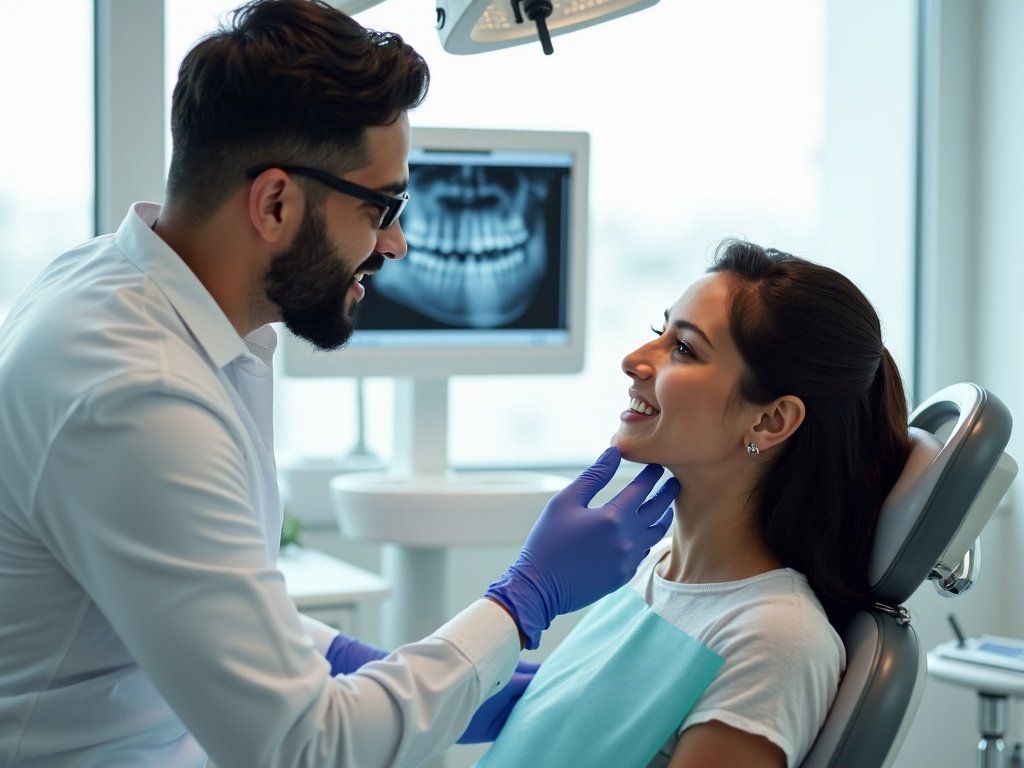

Can You Get Veneers With Receding Gums

Yes, you can potentially get veneers with receding gums, but it depends on the severity of the gum recession and proper treatment of the underlying condition first. Gum recession must be evaluated and stabilized before any cosmetic dental procedures to ensure optimal results and long-term success. While receding gums don’t automatically disqualify you from getting veneers, addressing gum health is essential for achieving the best aesthetic and functional outcomes.
Gum recession is a common dental concern that affects many people considering cosmetic treatments like veneers. The relationship between gum health and veneer success is crucial to understand, as healthy, stable gum tissue provides the foundation for any cosmetic dental work. Professional evaluation can determine whether your specific case of gum recession allows for veneer treatment or if alternative approaches would be more suitable.
Understanding Gum Recession and Its Causes
Gum recession occurs when the gum tissue gradually pulls back from the tooth surface, exposing more of the tooth root than normal. This process creates the appearance of longer teeth and can lead to sensitivity, aesthetic concerns, and increased risk of decay at the exposed root surface.
Several factors contribute to gum recession. Periodontal disease remains the most common cause, as bacterial infection destroys the supporting gum tissue and bone structure. Aggressive brushing with hard-bristled toothbrushes can mechanically wear away delicate gum tissue over time. Genetic factors play a significant role, as some people inherit thinner gum tissue that recedes more easily.
Additional causes include smoking and tobacco use, which reduce blood flow to the gums and impair healing. Hormonal changes, particularly during pregnancy or menopause, can make gums more susceptible to recession. Teeth grinding and clenching create excessive force that can damage gum tissue, while misaligned teeth may put abnormal pressure on certain areas of the gums.
How Gum Recession Affects Veneer Treatment
Healthy gums are fundamental to successful veneer placement because the margin where the veneer meets the gum line must remain stable and sealed. When gums are receding or inflamed, this critical junction becomes compromised, potentially leading to bacterial infiltration, decay, or veneer failure.
Receding gums create longer-looking teeth, which affects the final aesthetic appearance of veneers. The proportions between tooth length and width become altered, making it challenging to achieve natural-looking results. Additionally, exposed root surfaces cannot be covered by traditional veneers, as these dental restorations are designed to bond to tooth enamel, not root surfaces.
Exposed roots often cause sensitivity to hot, cold, and sweet stimuli. While veneers can address some cosmetic concerns, they cannot eliminate root sensitivity caused by recession. This limitation means that gum recession treatment may be necessary before cosmetic procedures to address both functional and aesthetic issues comprehensively.
Can You Still Get Veneers With Receding Gums
Veneers may still be a viable option for patients with receding gums, provided that specific conditions are met and proper treatment protocols are followed. The key factor is ensuring that gum recession is stable and that any underlying gum disease has been successfully treated and controlled.
Several conditions must be satisfied before veneer placement. Any active periodontal disease must be completely treated through scaling, root planing, or other appropriate therapies. The gum tissue must demonstrate stability over time, typically requiring a healing period of several months after gum treatment. If significant tissue loss has occurred, gum grafting procedures may need to be completed before veneer placement to restore adequate gum coverage and create proper tissue architecture.
Individual assessment is essential because each case of gum recession varies in severity, location, and underlying cause. A comprehensive dental evaluation examines factors such as the amount of recession, gum tissue thickness, bone support levels, and overall oral health status. This evaluation determines whether veneers can be successfully placed or if alternative treatments would provide better outcomes.
Treatment Approaches for Gum Recession Before Veneers
- Scaling and root planing procedures remove bacterial buildup below the gum line and smooth root surfaces to promote gum reattachment
- Connective tissue grafting takes tissue from the roof of the mouth to cover exposed root surfaces and thicken thin gum tissue
- Free gingival grafts use tissue directly from the palate to increase the amount of attached gum tissue around teeth
- Pinhole surgical technique creates small incisions to gently reposition existing gum tissue over exposed roots without traditional grafting
- Guided tissue regeneration uses barrier membranes and bone grafting materials to encourage natural tissue regrowth
- Improved oral hygiene protocols with proper brushing technique, flossing, and antimicrobial rinses to maintain gum health
Alternatives to Consider
When gum recession is moderate to severe, alternative cosmetic treatments may provide better results than traditional veneers. These options can address aesthetic concerns while working with existing gum conditions rather than requiring extensive preliminary treatment.
Dental bonding offers a less invasive approach for minor cosmetic improvements. Tooth-colored composite resin can be applied to cover small areas of exposed root surface and improve tooth shape without extensive preparation. This treatment is reversible and can be completed in a single visit.
- Gum contouring and reshaping procedures can improve the gum line appearance by removing excess tissue or repositioning the gum margin
- Dental crowns provide more coverage than veneers and can extend further toward the gum line to minimize the appearance of long teeth
- Orthodontic treatment may help reposition teeth to create better gum line symmetry and reduce the appearance of recession
- Composite bonding can be combined with gum treatment to achieve both functional and aesthetic improvements
The choice between veneers and alternatives depends on factors such as the extent of recession, patient preferences, budget considerations, and long-term maintenance requirements. A comprehensive treatment plan considers all these factors to recommend the most appropriate approach.
Maintaining Gum Health After Cosmetic Treatment
- Use a soft-bristled toothbrush with gentle, circular motions rather than aggressive back-and-forth scrubbing that can damage gum tissue
- Floss daily using proper technique, gently guiding the floss between teeth without snapping it against the gums
- Rinse with an antibacterial mouthwash to reduce harmful bacteria and support gum health between brushings
- Schedule regular professional cleanings every three to six months, or as recommended by your dental hygienist
- Avoid tobacco products completely, as smoking significantly impairs gum healing and increases recession risk
- Address teeth grinding with a custom night guard to protect both natural teeth and cosmetic restorations
- Monitor gum health regularly, watching for signs of inflammation, bleeding, or further recession
- Follow post-treatment care instructions carefully, especially during the initial healing period after gum procedures
When to Seek Professional Evaluation
Anyone considering veneers with existing gum recession should seek professional evaluation before making treatment decisions. Early consultation allows for proper assessment of gum health status and development of an appropriate treatment sequence that addresses both functional and aesthetic concerns.
The evaluation process includes comprehensive examination of gum pocket depths around all teeth, assessment of gum tissue thickness and quality, evaluation of bone support levels through clinical examination and potentially X-rays, and analysis of bite relationships that may contribute to gum problems. This thorough assessment creates the foundation for personalized treatment planning.
Professional evaluation also considers factors such as patient age, medical history, medications that may affect healing, lifestyle factors like smoking, and realistic expectations for treatment outcomes. Understanding these variables helps determine the most appropriate timing for cosmetic procedures and ensures that patients have realistic expectations about results and maintenance requirements.
Frequently Asked Questions
Can I get veneers if I have gum recession?
Yes, veneers may be possible after treating the gum recession. The gum tissue must be healthy and stable before veneer placement for optimal results. Your dentist will evaluate the extent of recession and determine if preliminary gum treatment is necessary.
Will veneers cover receding gums?
Veneers do not cover receding gum tissue. The veneers are bonded to the front of the teeth, so gum treatment must be completed separately before cosmetic procedures. Veneers address tooth appearance while gum treatment restores healthy tissue coverage.
What treatment is needed before getting veneers with receding gums?
Common pretreatment includes scaling and root planing for gum disease, and possibly gum grafting to restore gum tissue before veneer placement. The specific treatment depends on the severity of recession and underlying causes.
Can gum grafting help before getting veneers?
Yes, gum grafting procedures can restore receded gum tissue, creating a healthier foundation for veneers and improving the final aesthetic appearance. Grafting may be recommended when significant tissue loss has occurred.
Are there cosmetic alternatives to veneers for people with gum recession?
Yes, alternatives include dental bonding, gum contouring, or crowns, depending on the extent of gum recession and individual dental health. These options may provide better results when gum recession is moderate to severe.
Conclusion
Getting veneers with receding gums is possible, but success depends on proper assessment and treatment of gum health before cosmetic procedures. The key is ensuring that gum recession is stable and that any underlying periodontal issues have been resolved. Healthy gums provide the essential foundation for successful veneer placement and long-term aesthetic results.
Professional evaluation remains crucial for determining the best treatment approach for each individual case. Whether through preliminary gum treatment followed by veneers or alternative cosmetic approaches, addressing both gum health and aesthetic concerns leads to optimal outcomes. Maintaining excellent oral hygiene and regular professional care ensures the longevity of any cosmetic dental treatment.
Dubai Dentist provides reliable educational content to help patients understand their dental health options and make informed decisions about cosmetic treatments. Understanding the relationship between gum health and cosmetic dentistry empowers patients to pursue treatments that deliver both beautiful and lasting results.